Brand and Style Guide
How Jewish Wisdom looks, sounds, and behaves, everywhere it shows up: the Hub, email, Instagram, Facebook, and YouTube. For anyone at LKFLT or Metamorphosis Agency who writes, designs, edits, or posts for Jewish Wisdom.
Jewish Wisdom at a glance
Jewish Wisdom is a hub where anyone can apply Jewish wisdom to real life, then find real people to share it with. Everything in this guide serves that path: from a first moment of recognition, to a practice worth trying, to a seat at someone's table.
The feeling we want
Anciently rooted, still growing, and warm. Something deeply authentic, balanced with the clarity of a site that's easy to use. Visitors should feel welcomed, and they should feel essential: wanted not as a number, but because they're them.
The posture behind every word and image is affirmation. You're in the right place. You're not going to break anything. We're glad you're here, and there's always more to discover together.
Who we're talking to
- Free Agent Jews (primary): culturally Jewish and institutionally unattached.
- Fellow Travelers (secondary): non-Jewish adults open to Jewish wisdom as a framework for living. Nearby Fellow Travelers are close to Jewish life through a partner, friends, or community; Horizon Fellow Travelers have no Jewish social connection and often draw on other wisdom traditions.
- Jewish Community Builders (tertiary): leaders and organizations who can share and extend the work.
Who "we" is
When Jewish Wisdom speaks, "we" is the Hub: an inclusive we, speaking respectfully on behalf of our community of partners. It is never LKFLT. Say "Jewish tradition," not "our tradition," so no reader has to be inside to be included.
Jewish Wisdom and LKFLT
Jewish Wisdom stands on its own. It doesn't carry the Lippman Kanfer brand, and its voice, library, and channels belong to the Hub, not the Foundation. Keep the two distinct everywhere: the Hub may one day grow into its own organization with other funders.
Core messages
Six approved messages give every piece of content its reason to exist. Start every brief by choosing one. Here they are in short form; the companion page holds each in full, with strategy, audience variations, and calls to action.
“Good People Know...”
Doing good feels meaningful, but without a framework to build on, that feeling stays isolated and small. Connecting it to something larger is what makes it last.
That feeling when you do something good, quietly, without being asked, without anyone watching. That has a name. And there's a whole tradition built around it.
- Best for
- Free Agent Jews and Nearby Fellow Travelers. The lowest-barrier entry point in the system.
- Reach for it when
- A piece is about kindness, generosity, or everyday goodness, or when someone needs to hear that the feeling is the credential.
- Calls to action
- “There's more where that came from.” “Explore the wisdom behind it.” “Start where you are.”
“Human Being. Not Always Human Doing.”
A culture that measures your worth solely by your output leaves you depleted and empty. But there's a practice built around rest as an essential part of humanity.
You are not a productivity machine that needs occasional maintenance. You're a human being who needs rest, play, and people, not just output.
- Best for
- Horizon Fellow Travelers first, then Free Agent Jews and Nearby Fellow Travelers. The widest top of the funnel.
- Reach for it when
- The content is about Shabbat, rest, burnout, or time with people you love. It's the home of “Shabbat Where You're At.”
- Calls to action
- “Rest like it means something.” “See what Shabbat actually looks like.” “Start with an hour. See what happens.”
“Good for You Is Reason Enough. But It Rarely Stops There.”
Taking care of yourself doesn't need a better reason than you. And more often than not, it ends up being good for everyone around you too.
You can't pour from an empty vessel. Taking care of yourself doesn't need to be justified by the work it makes possible. It's good for you. That's where it starts.
- Best for
- Free Agent Jews, especially when guilt and exhaustion are in the room.
- Reach for it when
- The subject is self-care, boundaries, or recharging. Use “It Starts With You” to open a multi-step sequence, such as an email series.
- Calls to action
- “Good for you. That's reason enough.” “Start with one hour. For you.”
“You Belong.”
Belonging isn't something you join. It's something you find, and you don't have to find it alone.
You're not wrong for still looking. You've just been looking in places that were never built for you.
- Best for
- Free Agent Jews feeling “lonely Jewishly,” and Nearby Fellow Travelers. The most natural handoff to Gatherings.
- Reach for it when
- Inviting people toward small groups and Gatherings. Keep it warm and wholesome, never cheeky.
- Calls to action
- “Meet others who take rest as seriously as you do.” (Match the word to the topic they just read.) “Find what fits.”
“Jewish Wisdom for the World as It Is.”
Jewish wisdom offers something rarer than answers: a way to stand inside complexity with steadiness, clarity, and purpose.
Jewish wisdom doesn't promise answers. It offers something better: a way to reveal your own questions, sharpened.
- Best for
- Free Agent Jews and Nearby Fellow Travelers equally. The engine of the content calendar.
- Reach for it when
- A piece takes on a specific life domain: work, parenting, relationships, the news. Lead with the problem; let the question arrive.
- Calls to action
- “A steadier way to be in the world.” “It turns out there's a different way to ask that.” “Try one thing this week.”
“Something Ancient. Something Yours.”
Jewish wisdom has always been bigger than the version you may have encountered. It's yours to claim, on your own terms, whenever you're ready.
Three variations: “Something Yours” for Free Agent Jews, “Something You're Part Of” for Nearby Fellow Travelers, and “Something for You” for Horizon Fellow Travelers.
- Best for
- Audiences already leaning in who need permission to take the next step.
- Reach for it when
- Inviting someone into personal practice or a first visit. The quietest, most intimate register in the system.
- Calls to action
- “Find your way in.” “Come a little further.” “Try it. No credentials required.”
Which message, when
| Where they are | Lead with | Typical channels |
|---|---|---|
| Awareness | 2 (rest, widest reach), 1 (recognition), 5 (a timely life question) | Instagram and Facebook posts, Reels and Shorts, YouTube clips |
| Consideration | 5 (the engine), 3 (self-care), 6 (permission) | Hub articles, Ask Jewish Wisdom answers, email features, carousels |
| Trial | 2 and 3 (“Start with an hour”), 6 (“Start with one thing”) | Practices and discussion prompts on the Hub, email series |
| Connection | 4 (belonging), always | Gatherings, Find a Small Group, end cards, event posts |
Voice and tone
Jewish Wisdom sounds like a brilliant, trusted friend: someone who knows a great deal and is genuinely glad to share it. Warm without being saccharine, smart without being academic, and Jewish without being institutional. It takes the wisdom seriously. It doesn't take itself seriously.
Affirm first
Meet people with joy and acceptance. People grow when they feel accepted as they are. “You're not going to mess anything up” is always true.
One way, and there are others
Offer one clear place to start, often the traditional way, then make room: “Here's how it's often done. Here's another way.” Never right versus wrong.
The person before the tradition
Lead with the feeling, the moment, or the need. Let Jewish wisdom arrive as a revelation, not a curriculum.
Contributors, not consumers
Readers bring gifts of their own. Invite them to add their wisdom to the inherited wisdom, not just receive it.
Serious and playful
Humor lowers the temperature before a deep conversation. Wit signals confidence and warmth at once.
Specific and short
One concrete detail beats three abstract affirmations. If a message needs a paragraph of context to land, it isn't ready.
Do
- Write for someone smart who's had a complicated relationship with this material and is ready to be surprised.
- Speak to what the person already knows, feels, or carries: recognition before invitation.
- Trust the pause and the incomplete thought; not everything needs resolving.
- Recast with care: “A traditional way to do this is... Here's another way.”
- Close with a next step, ideally toward real people.
Don't
- Preach, moralize, or tell readers what to feel.
- Use insider vocabulary before earning it, or frame Jewish wisdom as an obligation or a heritage to preserve.
- Write “Judaism says” or “Jewish law says” in the Hub's own voice.
- Use “journey,” except in reference to the Traveler's Journey framework.
- Sound like a synagogue newsletter, a fundraising appeal, or a heritage organization.
Voice by channel
| Channel | How the voice shifts | Reading level |
|---|---|---|
| Hub articles | A clear guide, teacherly but never lecturing. Explains concepts plainly and earns every Hebrew term. | Grade 8 to 10 |
| Ask Jewish Wisdom | A warm reply from someone glad you asked. “Here's one way to try it. There have been many ways over the centuries. Try this, and come back.” | Grade 8 to 10 |
| Personal and brief, like a note from a friend who saved you something good. | Grade 6 to 8 | |
| Instagram and Facebook | The most playful register. Emoji, exclamation points, and humor are welcome where they help. | Grade 6 to 8 |
| Video and YouTube | Real people in real conversation. Scripts and titles stay plain and human. | Grade 6 to 8 |
Our audience reads well above these levels; the voice is “smart without being academic.” Treat the levels as guides, since Hebrew terms inflate readability scores.
Writing for a specific audience
When a piece or an event targets a particular group, let them see themselves in the language. Reflect how that group talks, the way a good listener mirrors the person across the table. Generational language, including Gen Z slang, is fair game in an event title or post aimed at that group, as long as it feels authentic, not like trying too hard. Default copy stays broad enough to welcome Gen X and Boomer readers too.
Touchstones
For clarity and an 8th to 10th grade feel: Josh Rabin's Moneyball Judaism. For accessibility with personality: Ginny Hogan and Dan Perlman.
Too far for our voice, though worth citing and linking: writing that leans polemical or deeply philosophical.
Words we use
Consistent names help people find their way, and careful terms keep everyone included. When in doubt, choose the clearest, most familiar, most welcoming word.
Names on the Hub
| Say | Means | Notes |
|---|---|---|
| Jewish Wisdom | The brand and the Hub | Two words, both capitalized. The site is jewishwisdom.org. |
| Jewish Wisdom Library | The collection of articles and media | “The Library” on second reference. |
| Ask Jewish Wisdom | The AI question tool | Always the full name on buttons and headings. |
| Gatherings | Every way to meet people in person | The umbrella label in navigation and headings. Small groups, retreats, and events sit under it. |
| Small Groups | Ongoing groups run by community partners | The matching tool is “Find a Small Group.” Lowercase in running text: “a small group near you.” |
| community partners | The organizations in the network | Long form: “our community of partners.” Grantees and aligned non-grantees are equally prominent; grantee status isn't disclosed. |
Our welcome
“Whether you're beginning your Jewish story, picking it up, or deepening it, you're welcome and wanted.”
Use this, or its spirit, wherever we greet people. Avoid in-and-out language in our own voice: “affiliated,” “unaffiliated,” “returning,” and denominational labels. They're fine inside partner content we link to.
Inside and outside
- Internal only: Free Agent Jews, Traveler's Journey, Small Groups Lab, bucket numbers.
- Public, sparingly: “fellow travelers” appears in the mission, so it may be used; clearer, more inclusive phrasing comes first, such as “people with Jewish loved ones.”
- Never: “Old Testament.” Say “Torah,” or “Hebrew Bible” when an English name is needed.
Hebrew terms
Hebrew appears as an invitation, never a test. In running text, a Hebrew term is italicized, transliterated, and defined on first use. Deeper words link to the Library's glossary or to a short piece on Hebrew itself: its root system, its age, and how every translation is an interpretation.
The Hebrew script appears with the term's note, right beneath the paragraph, so readers never lose their place. On the Hub, notes always sit on the page; there are no pop-ups or hover text.
Spelling: choose the most familiar and most searched spelling, even when it's inconsistent across words. Familiarity beats linguistic purity.
Many families light candles to welcome Shabbat1, a day set apart for rest.
This year, Rosh Hashanah began on 1 Tishrei 57872, September 12, 2026.
Starter spelling list
ShabbatHanukkahRosh HashanahYom KippurSukkotSimchat TorahTu BiShvatPurimPassoversederShavuotTisha B'AvYom HaShoahYom HaZikaronYom Ha'atzmautHavdalahKiddushchallahmitzvah, mitzvottzedakahchesedtikkun olamTorahTalmudMishnahKabbalah
Talking about the Divine
Use “the Divine” rather than “God” in the Hub's own voice. Don't saturate content with theology; bring the Divine in when a topic can't be discussed without it. People relate to the Divine in many ways, and the Library will hold a series that welcomes them all, starting with a short introduction to link back to.
A light, playful touch is welcome here; it lowers the temperature before a serious conversation.
Teachers, dates, and texts
- Rabbis: “Rabbi First Last” on first mention, then last name. Name every source and link back.
- Eras: BCE and CE.
- Dates: when dating something Jewish, give the Hebrew date beside the Gregorian date, with a calendar note.
- Texts: cite as “Pirkei Avot 1:14,” with a note explaining the reference. Quote from Sefaria, and include the Hebrew original.
Logo
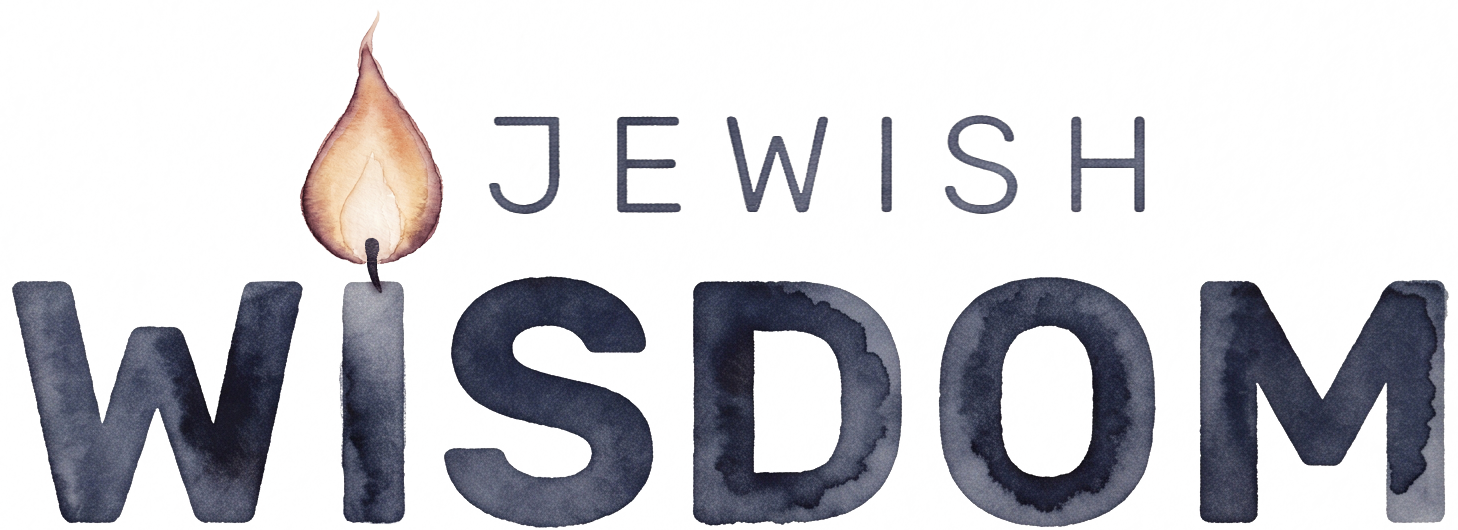
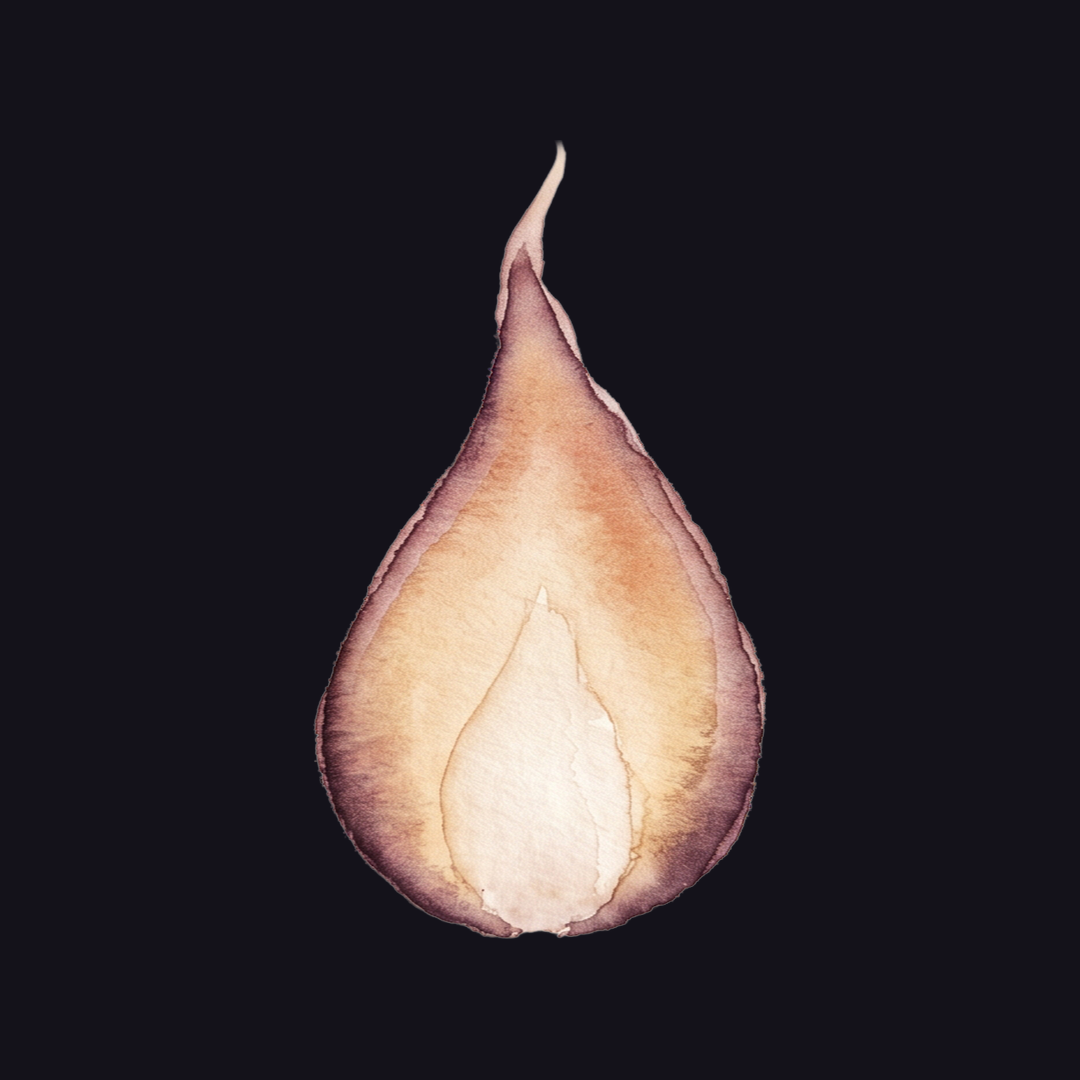
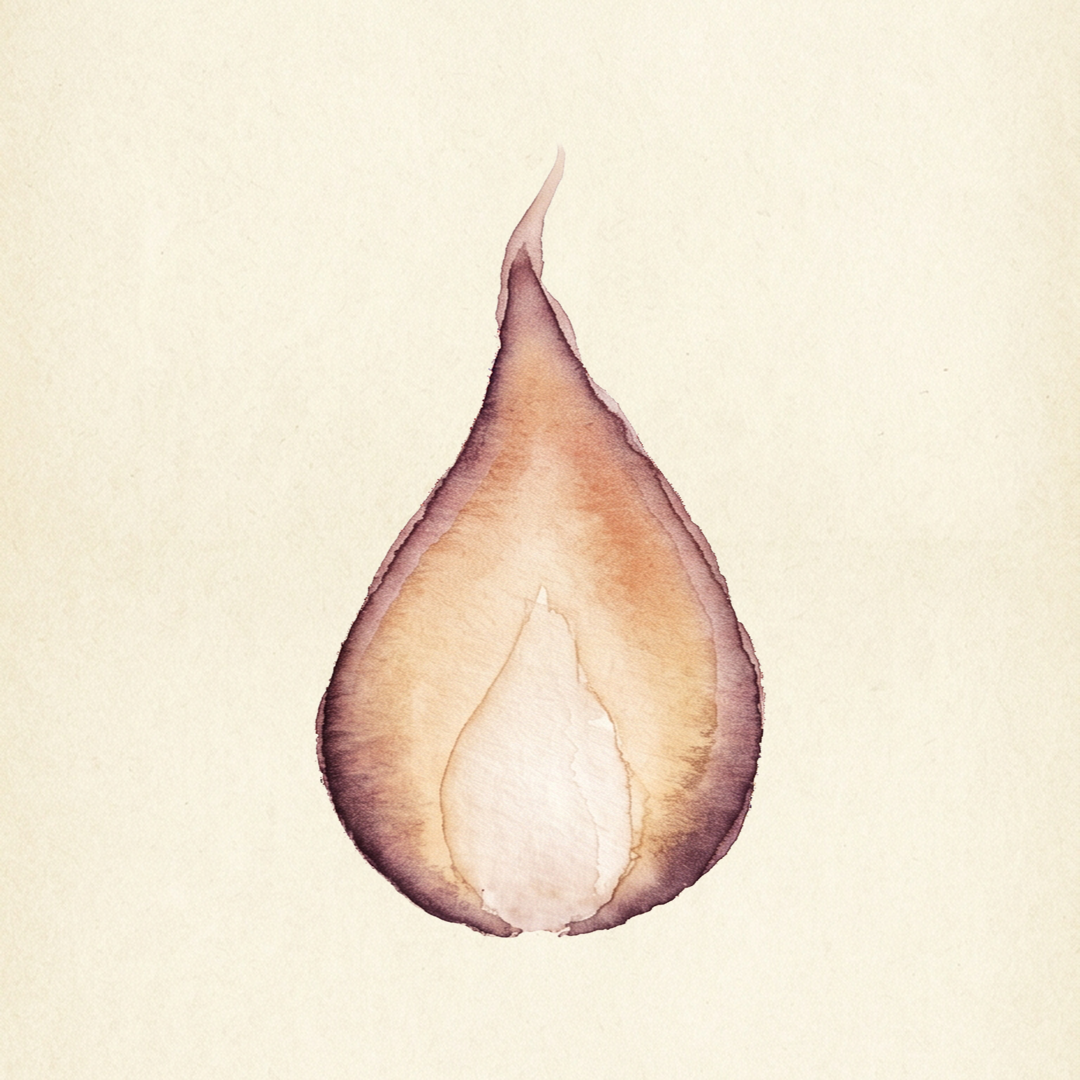
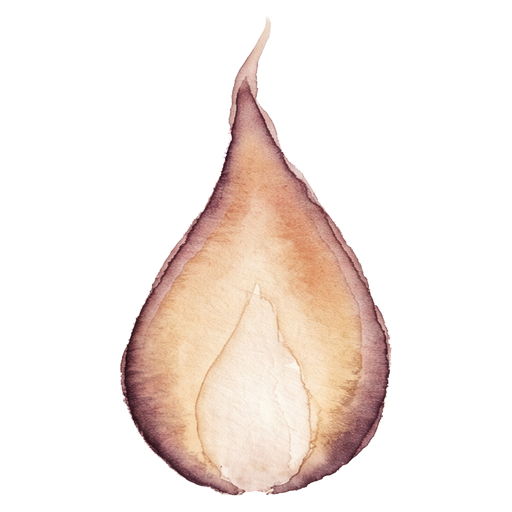
The name is painted in ink-slate watercolor, and the i of Wisdom is a candle: its flame is our symbol. There are three versions, and only these three. Each one fits a different amount of space.

Using it well
- Light grounds only for Wide and Stacked: Leaf Light, Paper, parchment, or white. On dark grounds or busy photos, use the Avatar alone.
- Avatar grounds: transparent, parchment, or near-black (#14121A) only.
- Clear space: keep empty space around the logo at least the height of the word “JEWISH.”
- Minimum size: Wide 180px across; Stacked 110px across; the Avatar reads down to 16px.
- Never: recolor, stretch, crop, rearrange, outline, add effects, or recreate the lettering in a font.
Files
- JW-Logo-Wide.png and JW-Logo-Stacked.png, transparent backgrounds
- JW-Logo-Avatar.png, the flame on a transparent background
- near-black and parchment avatars, 1080px, for Instagram, Facebook, and YouTube
- LKFLT-JW-favicon at 512, 180, 32, and 16px, for the site
Color
The Torah names seven foods of the land: wheat, barley, grapes, figs, pomegranates, olives, and dates. Our palette borrows their colors, softened for bright, open screens. Each color carries a meaning, and the meaning decides its job. Fig, Apricot, and Evergreen lead; the rest support, with Grape as a rare accent. There's no blue and white anywhere.
Fig
Invitation and home. “Under their vine and under their fig tree” (Micah 4:4): welcome, and a place to sit together. Fig carries the ask: buttons, links, the next step, and the shadows that give containers depth.
Apricot
Light and beginnings. The candle flame, the Shabbat glow, the first light of morning. Warmth you move toward: it glows behind buttons and focal points, and never becomes text.
Evergreen
Rootedness and endurance. Olive trees live for thousands of years; a tradition that stays alive. The steady voice of all text, and dark panels and notes.
Leaf Light
Daylight and room to breathe. The open morning garden, where nothing is demanded of you. The page itself.
Olive Leaf
Peace and renewal. The leaf the dove brought back to Noah: hope after hardship. Washes, tags, and moments of welcome. Large type only.
Wheat
Nourishment. Bread, challah, the harvest of Shavuot, everyday practice. Hebrew pins and citations: small, nourishing bits of learning.
Grape
Celebration and blessing. Kiddush wine, joy at the table, the sacred inside the everyday. An accent only: washes and small details, used rarely and on purpose. Never buttons, text, or large backgrounds, and never beside large areas of white.
Paper
The page. The Library, and room for your own words. Cards and panels that sit on Leaf Light.
Tints
Category arches and quiet backgrounds.
Pairings that pass
- Evergreen on Leaf Light 11.0 : 1
- White on Fig 9.8 : 1
- Evergreen on Apricot 5.9 : 1
- Evergreen on Wheat 7.7 : 1
- Leaf Light on Evergreen 11.0 : 1
All clear the 4.5 : 1 standard for body text. Don't set text in Olive Leaf, Apricot, or Wheat on light backgrounds.
Proportions and rules
- Mostly light: about 70% Leaf Light and Paper, 20% Evergreen text and tints, 10% Fig and Apricot.
- One Fig action per view wherever possible, so the next step is obvious.
- Never pure black or grey. Text is Evergreen; shadows are tinted Fig, never grey. The one exception is the near-black (#14121A) behind the avatar.
- No blue and white pairings, and no Israeli flag palettes. Grape is the only blue-leaning color, and it stays an accent.
Typography
Two typefaces, each with one job. Rubik leads: headlines, Hebrew, buttons, and navigation. Crimson Pro reads: body text, descriptions, and quotes. Both are free Google Fonts, supported natively in Wix Studio, and each loads as one variable file plus one for its italic.
Rubik
Built for Hebrew and Latin together, with softly rounded corners. It sets Hebrew, including vowel marks, at home beside English. Light 300 for headlines, Regular 400 for subheads, Medium 500 for buttons, labels, and navigation.
Crimson Pro
A warm book face with a true italic. It brings seriousness and warmth to longer reading and balances Rubik's modern feel. Its letters are small, so body text runs about 20px. Crimson Pro has no Hebrew; Hebrew always sets in Rubik.
56 to 80px, tracking −3%Human Being. Not Always Human Doing.
32 to 44px, tracking −2%You're not wrong for still looking.
22 to 26pxRest, together, once a week
19 to 21px, line height 1.55You are not a productivity machine that needs occasional maintenance. You're a human being who needs rest, play, and people, not just output.
24 to 28px“If I am not for myself, who will be for me?” Hillel
16pxFind a Small Group
Rules of thumb
- Sentence case for headlines, buttons, and labels. No all-caps.
- Keep lines readable: 60 to 75 characters for body text.
- Italic for quotations, transliterated Hebrew, and titles of works.
- Hebrew always in Rubik, right to left, with vowel marks when quoting texts.
When the fonts aren't available
- Email: use Rubik and Crimson Pro if Wix's email editor offers them. Otherwise, headlines in Helvetica or Arial and body text in Georgia. Many inboxes won't load web fonts anyway, so the fallback is what most readers see.
- Documents and slides: install both from Google Fonts.
- Social graphics: always Rubik for type on images; save Crimson Pro for longer captions on carousels.
Shape, space, and light
Soft, rounded forms make the Hub feel friendly without feeling childish. The arch is our signature shape, drawn from garden gates and windows of colored glass. Light comes from candles: warm glows instead of grey shadows.
The arch
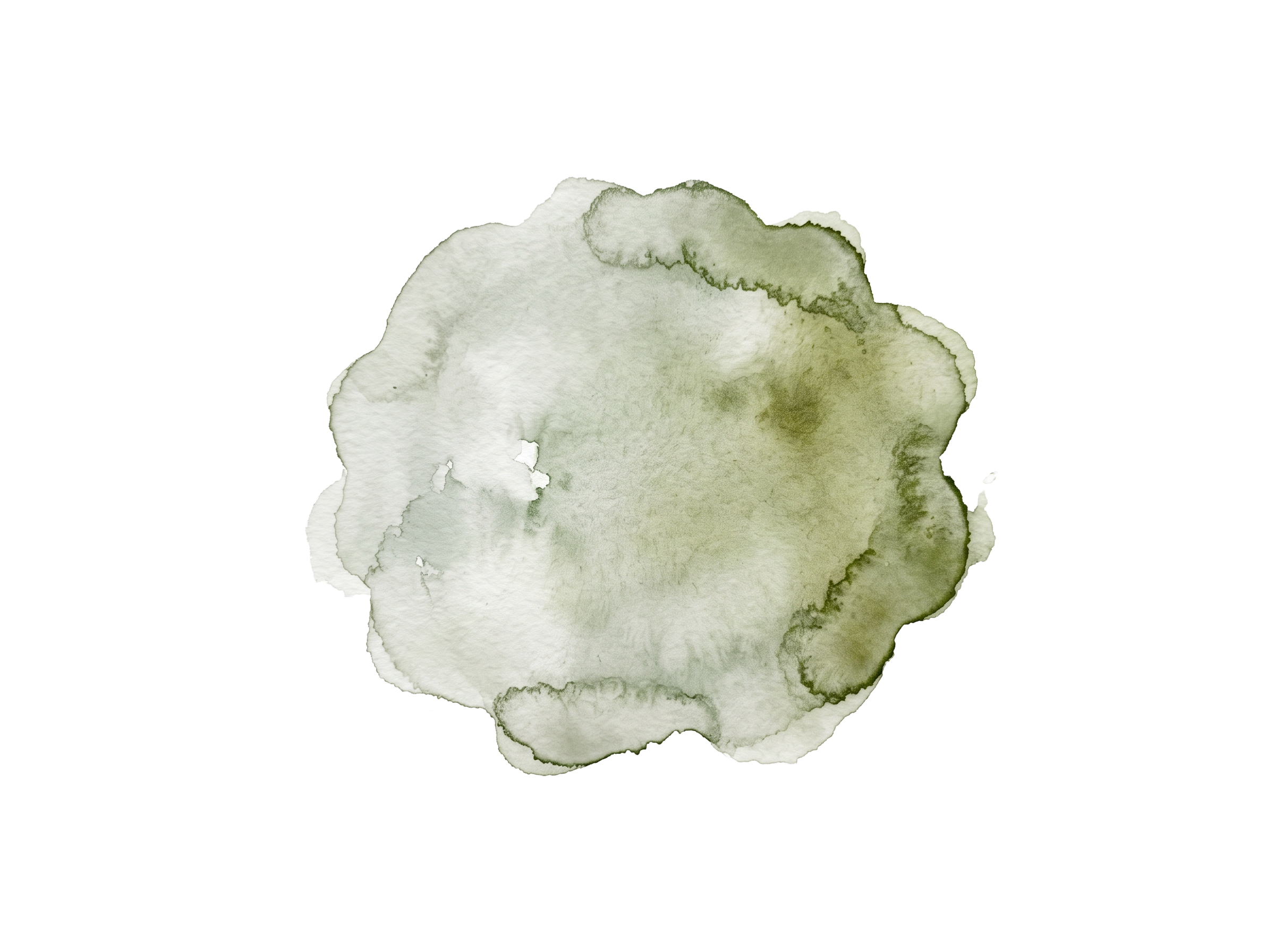
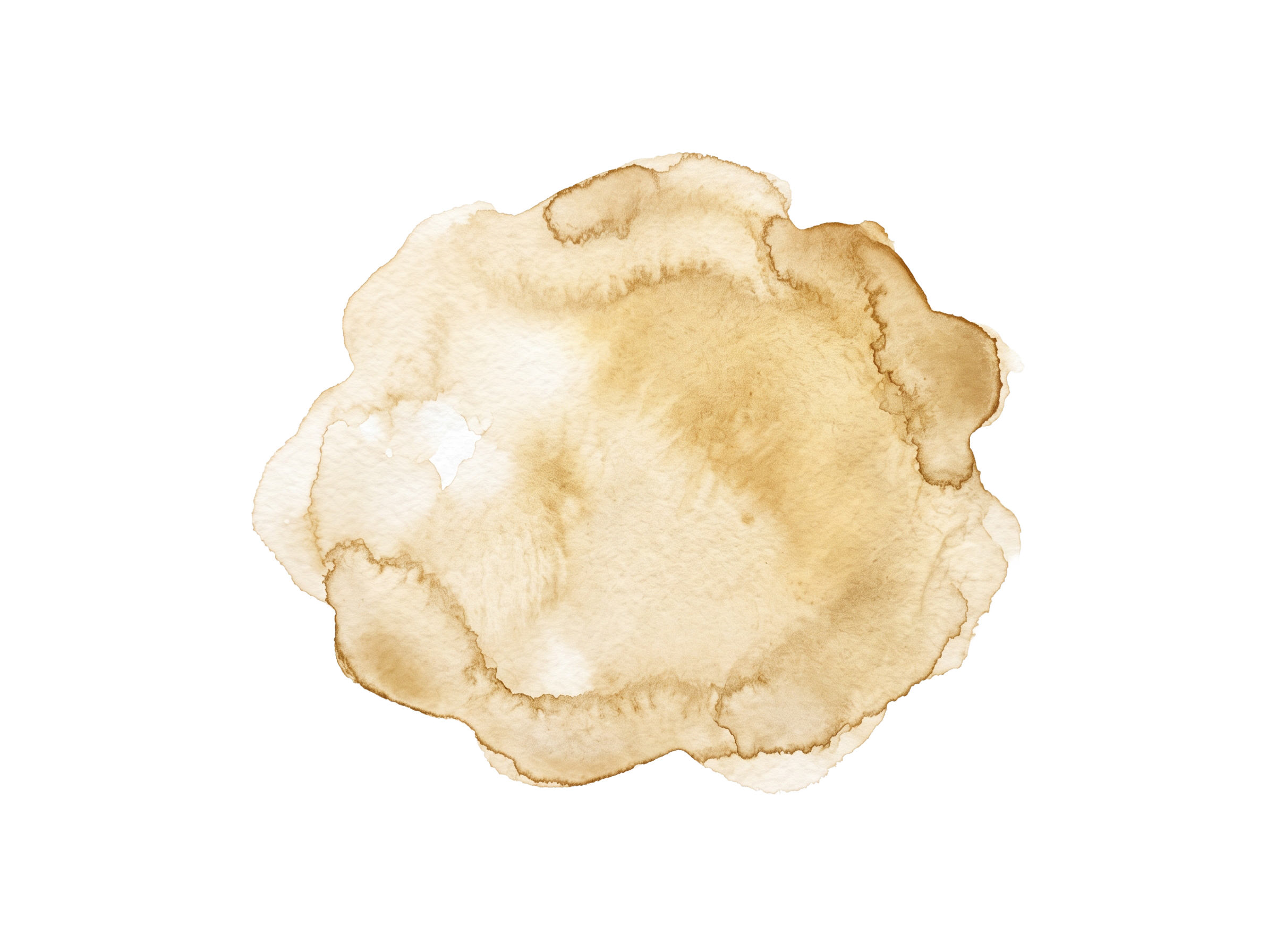
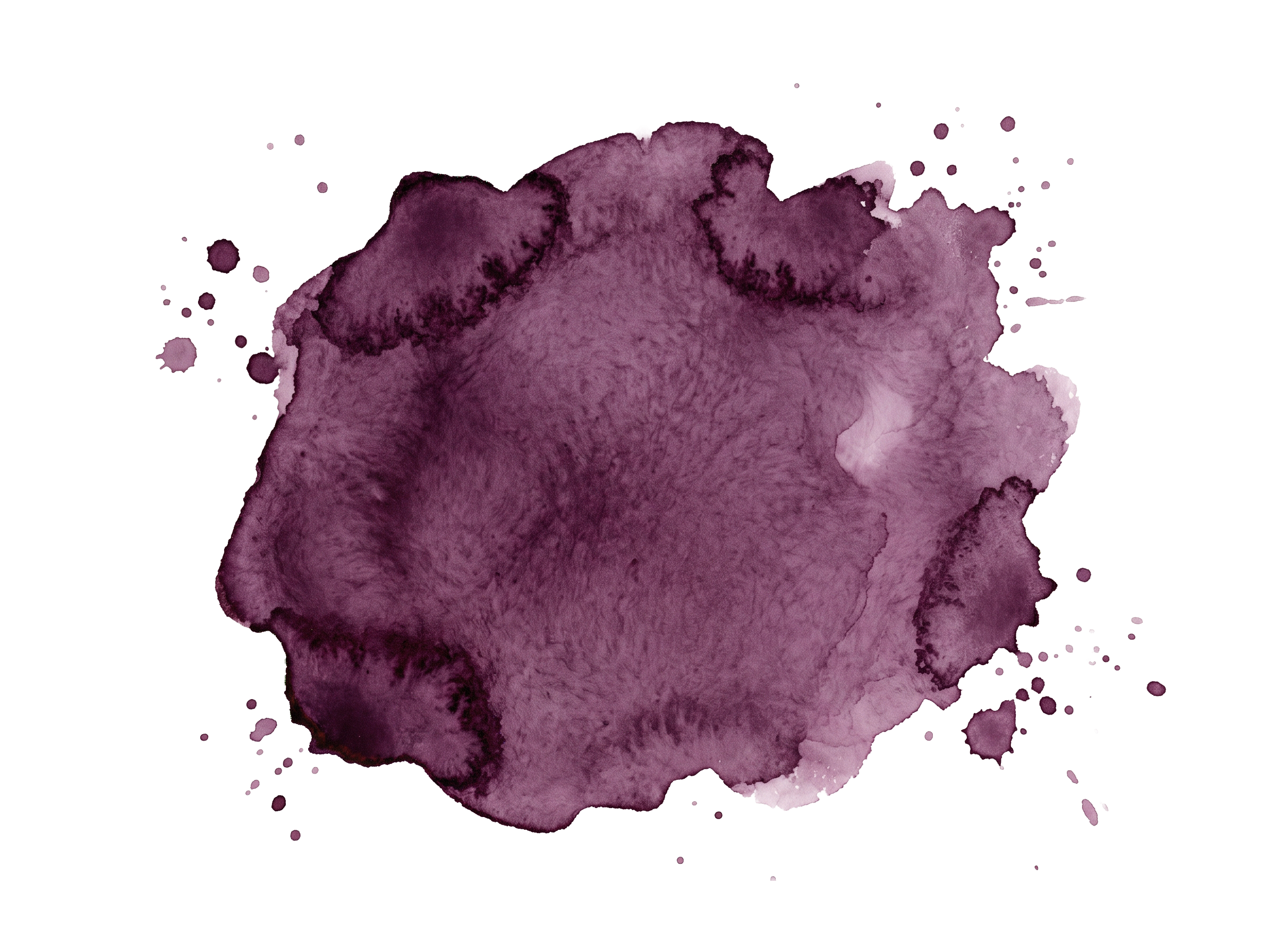
Category columns, the answer's center, avatars, and frames that deserve emphasis. One or two per view.
Rounded corners
Pills (fully round) for buttons, fields, and tags. 18 to 24px for notes and images. 28 to 32px for cards and panels. 40px for large sections.
Light and depth
Apricot glows behind buttons, like candlelight. Fig carries depth: soft shadows lift cards and panels, and inner shadows set fields and centers into the surface. Never grey.
The faint outline
Every container gets a 1px outline in Evergreen at about 14% opacity: cards, panels, notes, fields, and the Ask module. It defines edges quietly, so containers read clearly on Leaf Light without heavy borders.
Parchment
A creamy parchment texture, used sparingly, marks the places where tradition and reading live: quotations from traditional texts, long-form reading surfaces like a Library article's body, the logo's home in footers and email headers, and printed pieces. It's never a full-page background, never behind buttons or forms, and never more than one parchment area per view. File: background-parchment.jpg.

Space
Spacing steps up in a simple scale: 4, 8, 12, 16, 24, 32, 48, 72, and 96 pixels. Give sections generous room (72 to 96px), keep related things close (8 to 16px), and let white space do the work that lines and boxes would do elsewhere. When a layout feels busy, remove containers before shrinking anything.
Components
The building blocks of the Hub. They're examples of how elements behave together, not page designs: layouts will vary, but these treatments stay consistent.
Buttons and fields
One primary button per view. Secondary buttons use a Fig tint with Fig text and a faint Fig edge, so they read as active but quieter. Only disabled buttons are grey, with no glow. Labels are verbs that say what happens next. Fields are pills with a faint outline that turns Fig on focus.
Category arches
 שבת
Shabbat
Rest like it means something →
 מועדים
Holidays & Seasons
Ancient rhythms for the year you're living →
 חיים
Life & Practice
Wisdom for the life you're actually living →
 שאלות
Big Questions
A conversation thousands of years in the making →
Ask Jewish Wisdom
Ask Jewish Wisdom
Ask about Shabbat, a holiday, or whatever's on your mind.
Answers draw on the Library and our community partners, with sources linked. Names and contact details are removed before anything is saved.
The signature: one answer at the center
Every answer and every “how to” article follows this shape: one answer at the center, under an arch, with other ways on one side and sources and real people on the other.
Other ways people have done it
Some families light a little early on busy nights.
Others light wherever they are, even a single candle in a hotel room.
“Do I need to wait for sundown to light Hanukkah candles? I'll be on a plane.”
Classically, candles are lit after dark, because the Jewish day begins at night. If that won't work this year, light them when you can. Lighting a little early is far better than not lighting at all, and you won't break anything.
Ask a follow-upSources
- Lighting the Hanukkah candles, Jewish Wisdom Library
Light them with others
Two small groups near you are gathering for Hanukkah.
Find a Small GroupHebrew pins and quotes
Pins introduce key words in Hebrew script; they can also be decorative, as on the category arches. Quotes show the Hebrew above the English, with the citation explained right beneath.
Cards and Gatherings
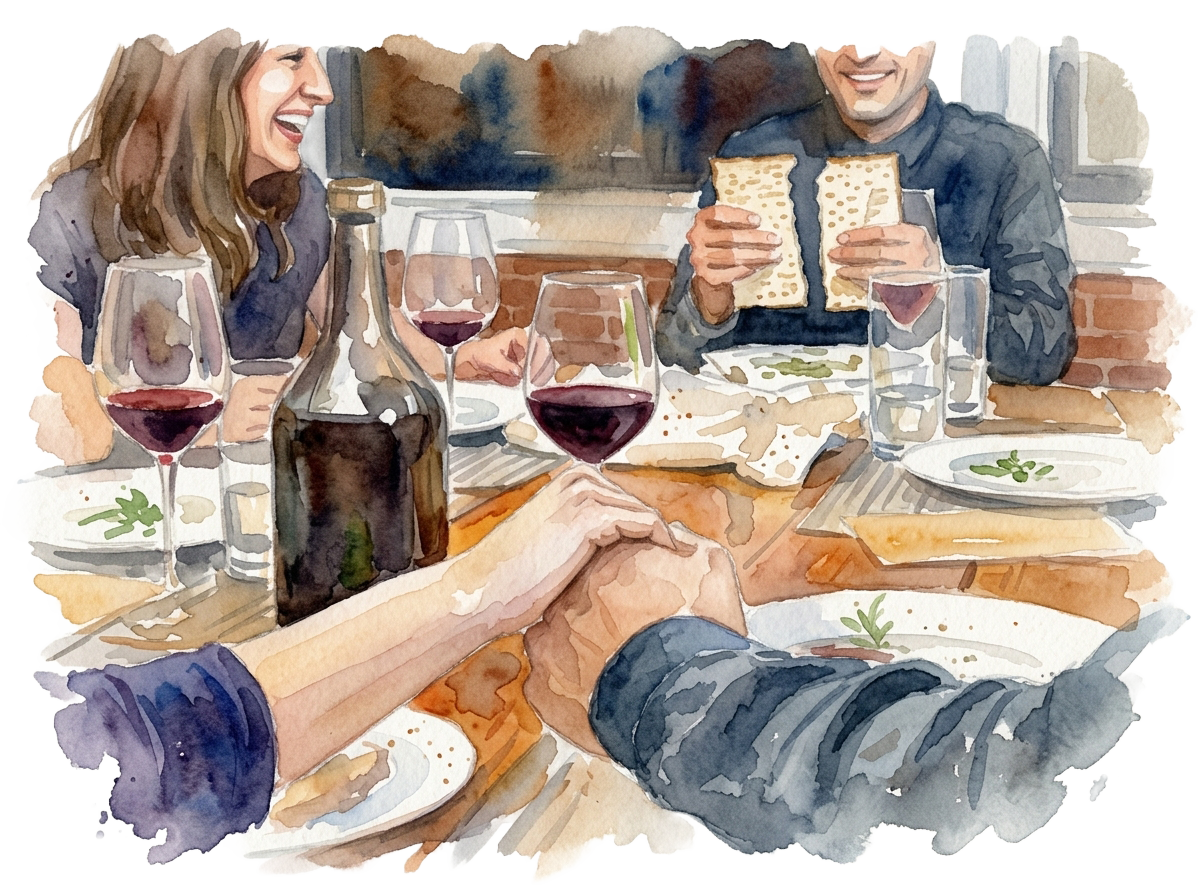
Four questions worth asking at any seder
You don't need to know the order of things to ask a good question. That's kind of the point.
ReadBelonging isn't something you join. It's something you find.
Find a small group run by our community partners, meeting in homes, parks, and online.
Find a Small GroupPhotography
Real people, together. Every photo should show human connection: people talking, eating, laughing, learning, or lighting candles side by side. Photos are always real, never generated by AI. Each keeps its own light; a gentle color harmony ties them into one family, and soft masks give pages variety and a clear focal point.

Photo example.
Masks: variety, and one photo set apart
Photos and videos sit in soft shapes rather than hard rectangles, using Wix's built-in masks. A watercolor wash underneath marks one photo as the primary: the feature at the top, with a gallery of smaller shapes below it.
Shabbat dinner, all are welcome
The featured photo sits in an arch over a Wheat wash. Everything below it uses smaller shapes, without a wash.

Photo examples.
The harmony and masks
- Keep the light. No global brightening or desaturation. A candlelit photo stays candlelit; a daylight photo stays bright.
- Shadows toward Evergreen: lift the black point slightly and tint it toward #24372D, so the darkest areas read deep green rather than black.
- Highlights toward Apricot: a soft warmth, about 15 to 20% strength.
- Masks: one primary photo per view, with the wash that matches the page's category. Two or three shapes per page, repeated so the gallery feels deliberate. Keep faces clear of the curves. The same masks apply to video.
Art direction for community partners
- Choose the light first. Warm, natural light (candles, golden hour, windows) does more than any treatment.
- People first. A ritual object appears with people around it: a family lighting candles together, not a pair of candlesticks; a joyful crowd around a Torah, not a scroll alone.
- Daylight and open air whenever possible: near windows, in gardens and parks.
- Room to breathe around people, which also leaves room for text.
- Range without tokenism. Show the real breadth of who's there: ages, races, family structures, and interfaith households.
- Leave out: Israeli landscapes and flags, the Western Wall, Orthodox dress as shorthand for “Jewish,” empty synagogue interiors, and posed stock smiles.
Sources and permissions
Start with community partners' own photos and footage, and LKFLT's archive of partner-submitted images. Ask permission before reposting, credit the source, and offer partners this art direction; they've welcomed it. Use licensed stock sparingly, and only when it passes everything above.
Illustration and watercolor
Where a photo can't do the job, such as an idea, a holiday, or a Library header, we paint. Illustrations are shaded watercolor: soft light-to-dark modeling, pigment pooling at the edges, mottled color, and highlights left as bare paper. They're clearly paintings, never imitations of photographs.
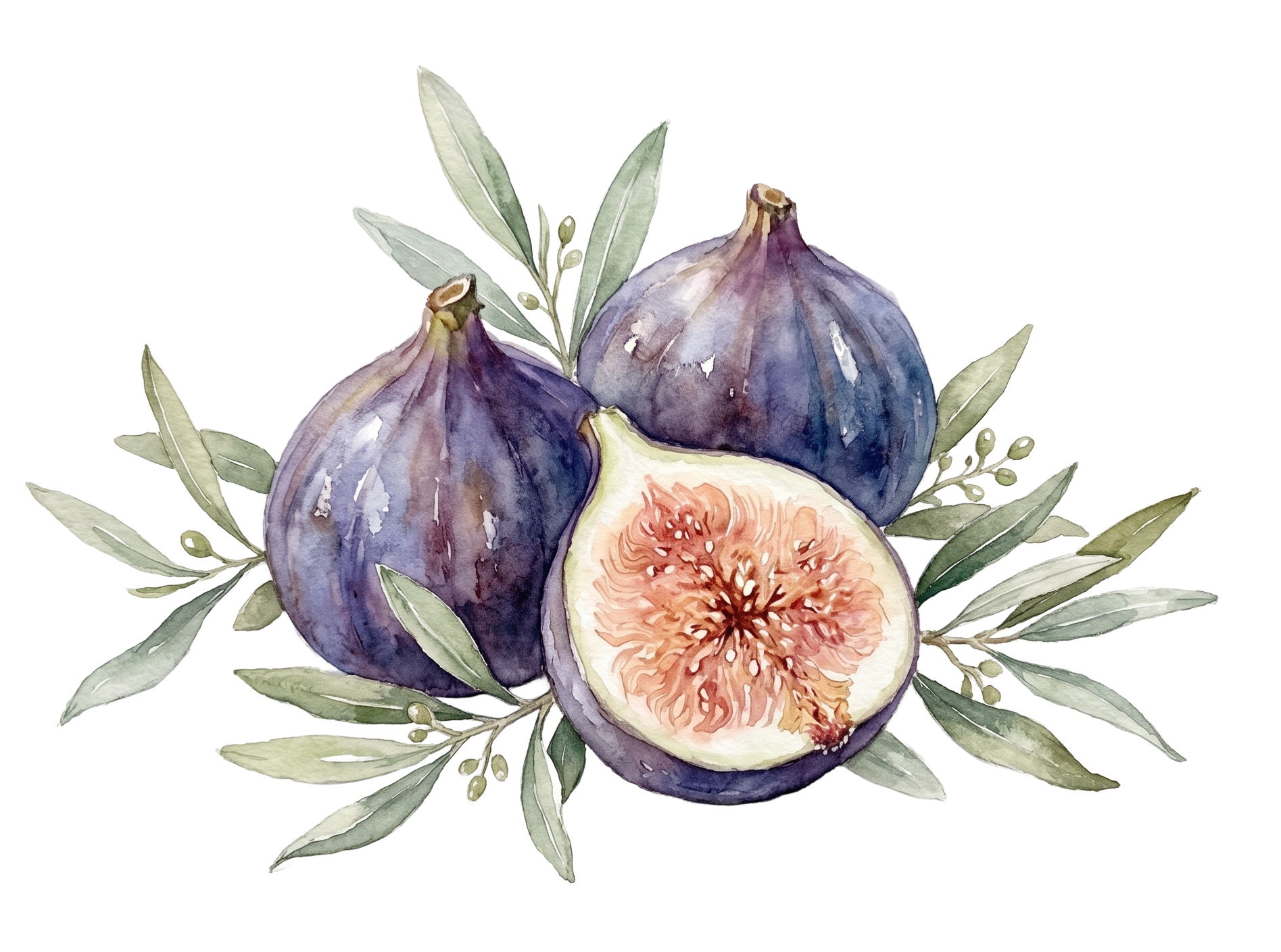
The style
Shaded botanical watercolorImpressionist, not photorealisticWet-on-wet bleedsPigment pooling at the edgesHighlights left unpaintedCold-press paper textureSeven species paletteIsolated on white
Subjects come from the garden and from everyday life: fruit and leaves of the seven species, tables, hands, and people gathered together.
Using AI for illustration
- Illustration only. AI may paint watercolor illustrations in this style. It never makes photographs or photo-real people.
- Obviously painted. If a result could pass for a photo, regenerate it more loosely.
- Check the details: hands, faces, Hebrew lettering, and ritual objects. Remove any text the model invents.
- Start from the prompts below so every image stays in one family.
Prompts
These are the prompts that produced the images in this guide, in Nano Banana. Start every new image from the base prompt; swap in the subject and keep everything else.
To adapt the base prompt, replace only the subject sentence, for example: “a close-up still life of a braided challah and two lit candles on a linen cloth.” For scenes with people, attach a real reference photo and use the follow-up prompt. Keep “impressionistic” in every people prompt.
Watercolor washes
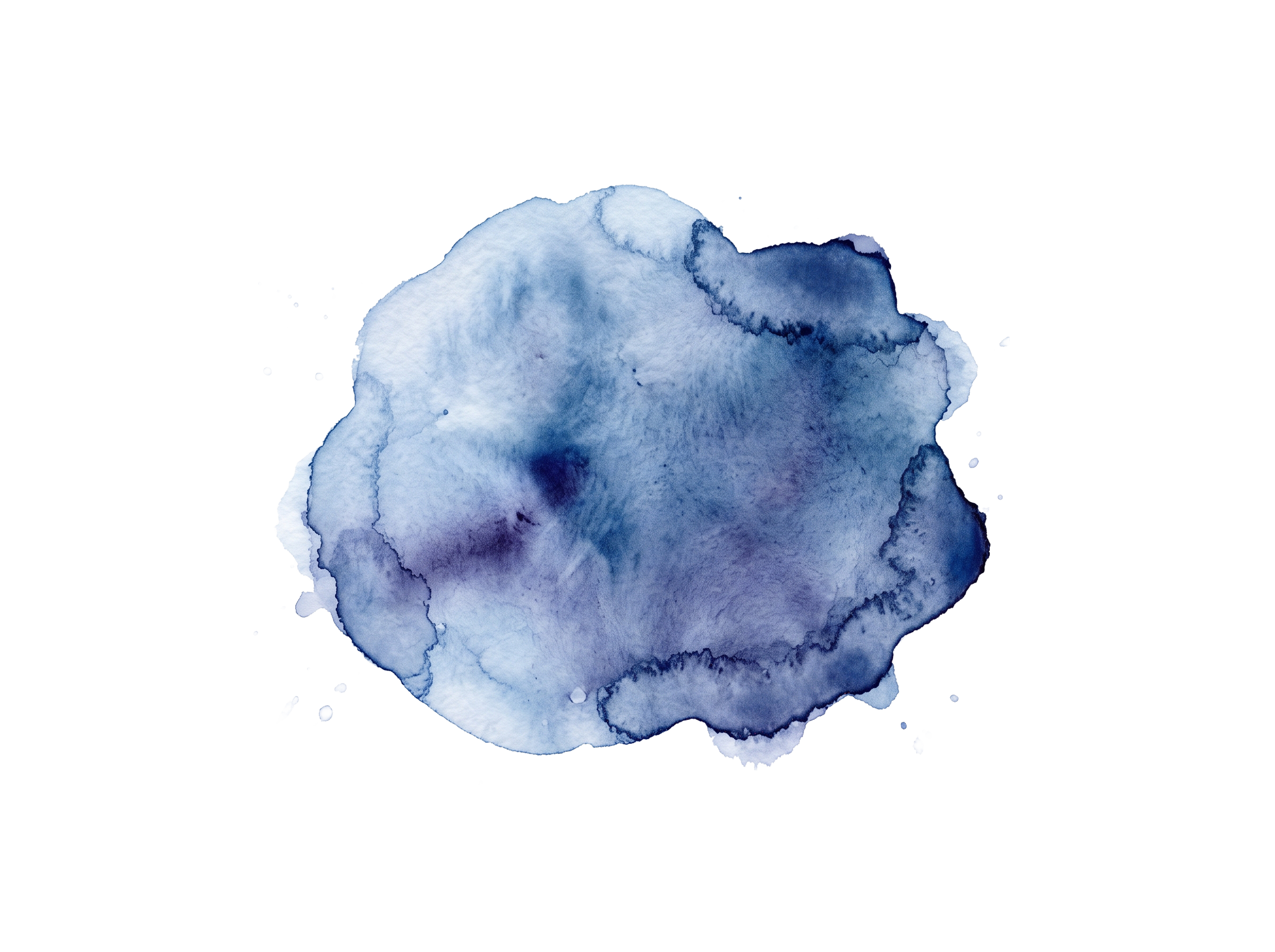
- Where: behind headings and heroes, at the top of category arches, on social posts, and peeking into thumbnails.
- How: at 40 to 60% opacity, set to multiply on light backgrounds, so the paper shows through.
- How many: one wash per view, or the Three Colors wash on its own. Never behind body text at full strength.
- Matching: on the Hub, each category keeps its wash: Shabbat Olive, Holidays & Seasons Wheat, Life & Practice Fig, Big Questions Evergreen.
Video
Each film keeps its director's own look; Shabbat productions come from many hands. What stays consistent is the frame around every film. And whatever the polish, real people in real conversation come first.
- Real over polished. Keep the feel of a real conversation. Light refinement is welcome; heavy post-production works against us.
- Thumbnails: a still from the film in a rounded frame, the title on a Paper card in Rubik, the avatar flame in a corner, and one watercolor wash.
- Title and end cards: Leaf Light or parchment, with one wash and the Stacked logo. The end card points to jewishwisdom.org and to Gatherings.
- Lower thirds: name in Rubik Medium, role in Rubik Light, on a rounded Leaf Light pill, lower left.
- Captions: always on, in Rubik.
- Clips: cut long conversations into 30-second to 3-minute pieces for Reels and Shorts, and test what holds attention.
Channels
One identity everywhere: the same avatar, colors, type, washes, and voice. Each channel then plays to its own strengths.
The Hub
Article anatomy
- Headline in Rubik; lead with the human moment, not the term.
- Image: a real photo or a watercolor illustration.
- Body in Crimson Pro, with Hebrew terms italicized and noted.
- Sourcing note: a brief, honest credit, with a link to the original.
- Next step: a related question for Ask Jewish Wisdom, a related article, or Find a Small Group.
Recasting partner content
Many articles recast work from community partners and trusted sources. Synthesize the ideas and write fresh in our voice; don't closely paraphrase. Where a source says “Judaism says” or “Jewish law says,” reframe: “A traditional way to do this is... Here's another way.”
Embed partners' videos and podcasts rather than copying them, add a short teaser, and link out. Sending people to our community partners is the point.
This week
Rest, together, once a week
You are not a productivity machine that needs occasional maintenance. There's an ancient, surprisingly doable practice that's known this all along.
Try it for an hour- Platform: Wix's built-in email newsletter.
- From: Jewish Wisdom.
- Layout: 600px wide, single column. Wordmark header, one image, one idea, one Fig button.
- Subject lines: short and human, drawn from the Core Messages. No clickbait, no all-caps.
- Fonts: see the fallbacks under Typography.
- A low-risk staple: a roundup of great things you may have missed from our community of partners.
Instagram and Facebook
חסד Chesed, loving-kindnessThat feeling when you do something good, quietly. It has a name.
Two small groups near you this Friday
Link in bio- One post, two versions. Every Instagram post is cloned to the Facebook Page. On Instagram, links go in the bio (“link in bio”). On Facebook, the link goes in the first comment.
- Formats: feed posts and carousels at 4:5; Stories and Reels at 9:16.
- Type on images: Rubik only, never more than about 12 words.
- Captions: playful and warm. Emoji and exclamation points are welcome; a few relevant hashtags at most.
- Tag community partners whose work we share, and ask them to tag @jewishwisdom_ in return.
- Stories keep things current: new partner podcasts, events, and timely moments.
YouTube and short video
- Thumbnails: 1280 × 720, following the video frame above.
- Titles: plain and human, under 60 characters. Lead with the question or the moment.
- Descriptions: a two-sentence summary, a link to the related Hub article, credit to everyone on screen and to the producing partner, and Gatherings.
- End screens: the end card, plus one related video.
- Shorts and Reels: 1080 × 1920. Every Reel also goes up as a YouTube Short and to TikTok.
- TikTok is an experiment for now: we post what we already make, and watch what works before building anything for it.
- Captions burned in on every short video, in Rubik.
Editorial standards
The judgment calls, settled in advance. When something new comes up, decide in the spirit of these and add it here.
Values, politics, and advocacy
Lead with values and principles, above all the innate dignity of every person, seen, appreciated, and celebrated. When featuring community partners' advocacy, frame it neutrally, but not so neutrally that we hide why we support them. Readers may draw their own conclusions, and that's fine. Talk about tikkun olam and justice in the language of shared values, not party politics.
When news breaks
Jewish Wisdom stays agnostic toward the news. We may share or link to statements from community partners, including any LKFLT makes. If something offends us or is seriously misaligned, LKFLT handles it case by case, since it touches the relationship with a grantee beyond the Hub.
Holidays and commemorations
Include them all. Yom Ha'atzmaut, Yom HaZikaron, and Yom HaShoah get short, neutral explanations of what they commemorate. Tisha B'Av deserves depth: its wisdom about how people treat one another is especially relevant today.
Shabbat and holidays
Nothing publishes, posts, or sends on Shabbat or Jewish holidays, including scheduled content. Check the calendar before scheduling, and remember holidays begin at sundown the evening before.
People in crisis
Some visitors will arrive in pain. Respond with care, and point to human help: call or text 988, the Suicide and Crisis Lifeline in the US, or 911 in an emergency. Ask Jewish Wisdom never gives mental health, medical, legal, or relationship advice. It shares what the Library offers and encourages real people: a rabbi, a counselor, a therapist, a small group.
Ask Jewish Wisdom
Answers follow the signature shape: affirm, offer one clear way to start, acknowledge there have been many ways over the centuries, and point toward people. It recasts wisdom; it doesn't try to solve lives. Staff review answers weekly at first.
Accuracy
When a question of Jewish content comes up, Daniel turns to Ayalon, Lee, or Dan at LKFLT. Real debates are often an invitation for a deeper Library piece.
AI and accessibility
AI may paint illustrations in our watercolor style and help draft text that a person then edits; it never makes photographs. Every video has captions, every image has alt text that describes what matters, and every text pairing meets contrast standards.
Before you publish
A quick pass for anything with Jewish Wisdom's name on it.
- It traces back to one Core Message, and it's clear which.
- It welcomes first and asks nothing of the reader to qualify.
- Hebrew terms are italicized, transliterated, defined, and spelled the familiar way.
- “We” is the Hub; it says “Jewish tradition,” and “the Divine” where needed.
- Every source is credited and linked, and community partners are tagged.
- Photos are real, show people together, keep their own light, and use a mask; illustrations are clearly painted.
- Colors, type, and shapes come from this guide. No blue and white.
- There's one clear next step, ideally toward real people.
- Captions and alt text are in place.
- It isn't scheduled for Shabbat or a holiday.