Commercial Lock Rekey Orlando by Local Locksmiths
If you manage a business property in Orlando and you need dependable security work, this piece cuts straight to the practical choices you should make. Having supervised dozens of commercial rekey projects, I will describe how to set expectations, assess risk, and choose the right locksmith for the job. If you need a response outside normal business hours, many services offer mobile support so you can get a functioning master key plan without closing the business for a day. locksmith Orlando
What rekeying actually changes and what it does not do.
Rekeying adjusts the lock cylinder so old keys will be useless and the business keeps the same visible hardware. Keeping the hardware does save time, but it also means existing worn components remain and may fail sooner than new hardware would. For higher resistance to forced attack, rekeying alone is insufficient; choose higher-grade cylinders or different lock styles instead.
When to choose rekeying over replacement.
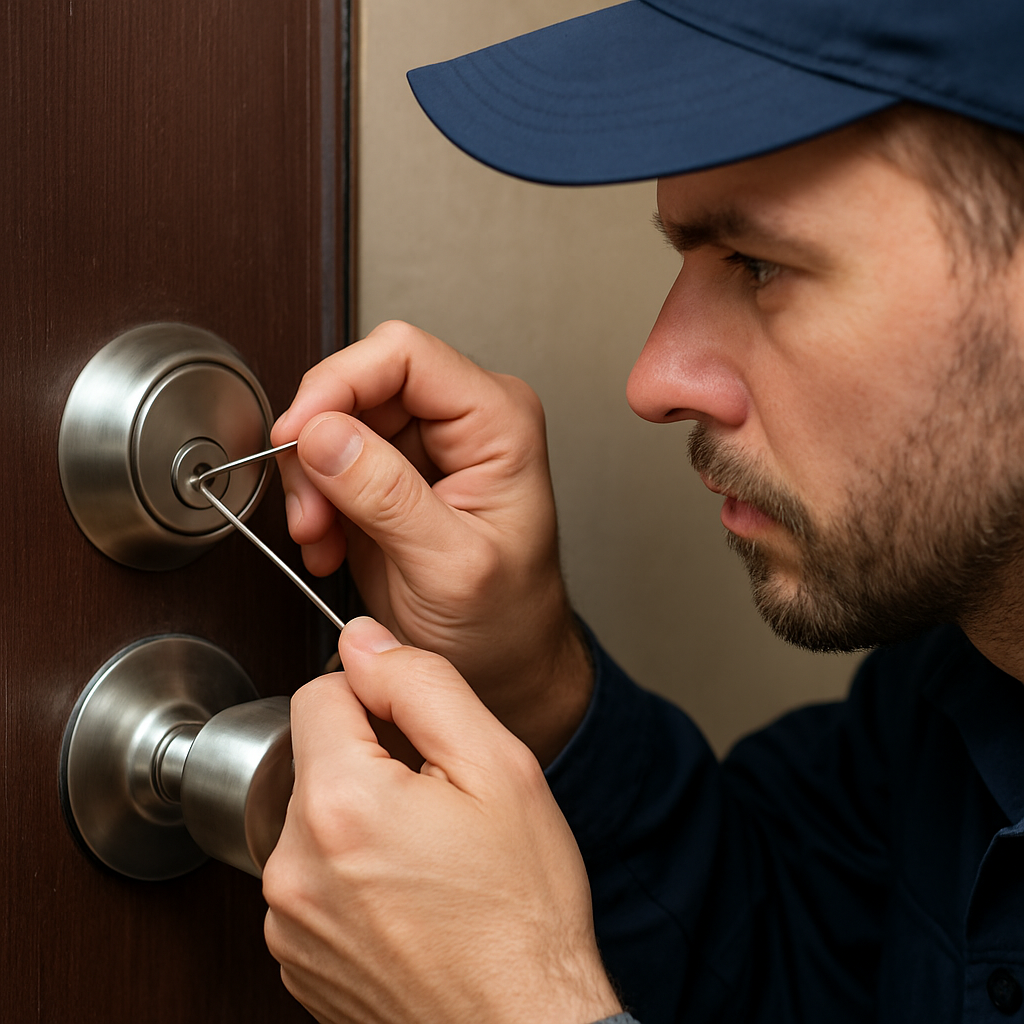
When hardware shows only superficial wear, rekeying buys security without the expense and disruption of swapping out trim and plates. Common triggers for rekeying include employee turnover, lost keys, tenant changes, or a recent break-in where you want to eliminate unknown key copies. If you are standardizing to a master key system, rekeying existing cylinders into a new hierarchy is often the fastest path to a working system.
How much rekeying typically costs and the variables that move the price.
A typical commercial rekey job in Orlando often falls into a range rather than a fixed number because cylinder types and access conditions vary. If you have many doors, ask for a site visit and a fixed quote rather than relying solely on per-lock estimates. Remember that premium cylinders, complex master keying, and emergency scheduling will raise the invoice; plan the job for normal hours when possible.
Choosing a locksmith - the quick checklist I use on site.
Ask whether they have an insured, licensed business vehicle and whether the technicians are bonded for commercial work. Ask for a description of how they label keys and document the master key scheme so you know you can maintain access control later. Make sure you get a written keying schedule and a warranty on labor and parts before work begins.
Master key design basics that save headaches later.
Decide who needs full access, who needs restricted access, and which areas must remain isolated, then translate that into a two- or three-level key plan. This three-tier setup balances flexibility and administrative overhead, because it lets you revoke lower-level keys without rekeying the whole system. A digital log or simple spreadsheet is often enough to manage key distribution in small businesses.
When to replace rather than rekey: hard cases to choose replacement.
A worn lock can mask internal damage that rekeying alone will not remediate, so you may end up paying twice. Some security goals require certified cylinders and patented key control, which usually means replacing cylinders with branded systems rather than rekeying stock parts. If the aesthetic or brand of the building requires matching finishes across multiple doors, plan for staged replacements so the look is consistent.
Practical staging for multi-door rekey projects.
Breaking the job into zones prevents a complete shutdown and lets staff continue to use unaffected entrances. For multi-tenant properties, notify tenants well in advance and provide temporary access arrangements if needed. Plan on the locksmith returning with labeled key sets and a marked-up site plan to reflect the new keying, and verify one or two doors after initial completion to confirm the system works as intended.
How to keep track of keys and avoid repeated rekey cycles.
Control over who has keys is as important as the locks themselves, and it takes simple processes to keep that control in place. If you must issue a temporary master, track its return carefully and rekey affected cylinders if it cannot be accounted for. Consider a keyed-restricted or patented keyway if long-term key duplication risk concerns you, because those systems require authorization to copy keys.
Anecdotes and edge cases from real jobs that taught me useful lessons.
That job taught me to insist on a pre-job site survey so the scope is accurate and the right parts are staged before the crew arrives. On another job a tenant had an unlabeled key cabinet full of untracked keys, and we recommended an immediate partial rekey to secure sensitive areas while rebuilding Florida control records. I have also seen businesses pay for replacement hardware when a rekey would have sufficed because the provider defaulted to replacement; push for options and written estimates to avoid unnecessary expenses.

Simple preparations that speed a commercial rekey.
Having a staff member available to confirm access permissions and receive labeled key sets speeds completion. Gather any existing key records or key tags you have so the locksmith can see prior keying and avoid redoing work that is already documented. Plan where the spare key set will be kept and who will have access to it to close the administrative loop on the project.
How to handle emergency or after-hours rekeys without paying too much.
A focused response on the main entry and sensitive rooms reduces locksmith service company exposure while letting you schedule noncritical doors during normal hours. Ask the on-call locksmith for a written emergency plan and a capped estimate before work begins so you are not surprised by an open-ended invoice. The emergency response should be followed by a planned review to decide whether rekeying the whole system or replacing hardware makes more sense.
Aftercare steps that protect your rekey investment.
Ask for a service or maintenance schedule recommendation that fits your traffic patterns and environment. Keep a maintenance log for lock inspections, lubrication, and hardware alignment checks, because small issues caught early prevent emergency failures. When you plan upgrades, prioritize doors with the highest exposure and those whose hardware shows wear, and coordinate upgrades with scheduled rekey windows to reduce downtime and cost.