24/7 mobile locksmith for same day appointments
Locked out late at night changes the rhythm of your day and raises practical questions. I remember the time I stood on a cold porch balancing groceries and a dead phone while I searched for help, and one reliable company on my list was emergency locksmith near me, a resource I used to compare arrival times and pricing. I will outline response times, typical costs, when to call an emergency locksmith, and what tools and credentials matter.
Why round-the-clock availability is not just a slogan
Not all locksmiths who promise "open now" can arrive fast or handle every job. I have seen advertised 15-minute responses stretch to an hour when a storm or rush hour hits, and that is usually fair if you were professional lock services told about the delay. Mobile locksmiths who stock parts reduce the chance you will be quoted a second trip fee.
How to vet a locksmith quickly and safely
Ask for a company name, the technician’s name, and a badge or license number when they call back. In regions without formal locksmith licensing, a business with a physical address, stable online reviews, and clear pricing is a safer bet. An ethical locksmith will explain the options and only escalate to drilling when necessary.
Why quotes can vary so much for the same job
Many businesses add an emergency or after-hours surcharge that can be a flat fee or a percentage of the daytime rate. A written or texted confirmation of the price reduces confusion and gives you leverage if charges differ later. Beware of alarmist scripts that press you to accept a much higher fee immediately; you can often hold your ground and request ID and a written quote while the tech finishes a nearby job.
How technicians balance speed and preservation
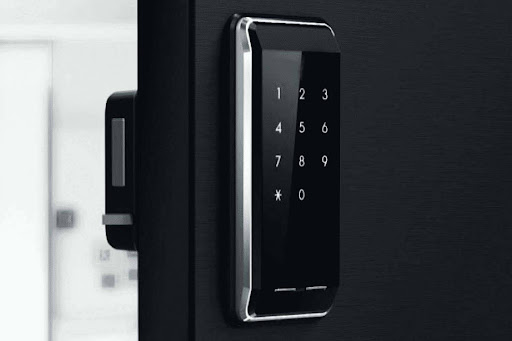
Non-destructive methods preserve the lock and save you money on replacement parts. Electronic locks and reinforced deadbolts sometimes require specialty tools or parts that are not carried on every van. Sending a quick photo of the lockset and door frame to the dispatcher or tech usually reduces surprises on arrival.
Recognizing structural or security risks
In cases that feel criminal or unsafe, prioritize police presence first, then a locksmith for repairs. Tell the company up front if the job involves a safe or institutional lock so they send the right technician. A full rekey or lock replacement is usually cheaper and faster when planned during business hours.
When a mobile unit is the right choice
However, a van cannot carry every specialized part, so sometimes a mobile tech must order parts or return with a second trip. A physical shop can support larger repairs, key cutting machines for uncommon blanks, and a place to store complex parts. A company with several vans reduces wait times compared to a single-owner operator who must travel long distances.
Three quick checks to avoid locksmith scams
Use your phone camera to record the interaction if you feel uneasy and to document the technician’s identification. A legitimate company will explain service logistics and offer alternatives if they cannot meet your time frame. Take a minute to compare the details before confirming a job.
How to handle vehicle lockouts specifically
Give the technician the vehicle make, model, year, and whether the car has push-button start or a fob that can be destroyed by improper handling. If your key is snapped in the ignition or the lock is damaged, expect a slightly higher fee because extraction and rekeying take time. I once coordinated a car unlock with local patrol, and the technician only started after the officer cleared the scene.
When a warranty is meaningful versus marketing"
Ask for a written warranty and clarify whether it covers labor only, parts only, or both. If a technician installs a new deadbolt, the warranty should note whether the lock brand warranty is transferable and whether the company will honor a repair if the part fails. Receipts also help if you ever need the locksmith’s services again and want the same system maintained.
Small investments that prevent late-night hassles
A spare key in a vetted place removes the urgency of many lockouts. Upgrade old locks before they fail; worn tumblers and misaligned strikes complain long before they stop working, and preventative rekeying is cheap compared to an emergency call. Smart locks solve many last-mile problems yet introduce electronic failure modes.
How to pick a locksmith you can call again
Choose a balance of fair price and documented competence. Trust builds from consistent behavior: transparent estimates, clear invoices, and technicians who explain the work rather than rush through it. If you are unsure, schedule a non-emergency visit during daylight hours to establish a relationship, then use Florida that provider for emergency needs.
A clear record of the company name and the technician you trust is worth the time it takes to save.