
Best Practices for Furnace Installation in Woodburn, OR
Why furnace installation in Woodburn demands local know-how
Woodburn sits in a climate sweet spot that still tests a furnace. Winters bring damp chill, long stretches of 30s and 40s, and the occasional cold snap that drifts into the 20s. That combination of moisture and moderate cold calls for careful furnace sizing, tight ducts, and proper ventilation. The goal isn’t just heat; it’s steady comfort with low noise, balanced airflow, and clean indoor air. Any HVAC Company Woodburn, OR worth its salt knows the difference between textbook installation and the little details that prevent call-backs in January.
After two decades crawling attics and basements, I’ve learned the houses here tell their own stories. Older ranches with low crawlspaces like underfloor supply runs. Newer construction favors compact mechanical closets and sealed combustion. The best installations meet the home where it is, then tune for safety, performance, and longevity.
Right-sizing the furnace: the Manual J and real-world check
Oversized furnaces short-cycle, waste energy, and leave rooms with hot-and-cold swings. Undersized systems run endlessly and still fail on the coldest nights. The fix is a proper Manual J load calculation paired with a sanity check based on materials and orientation. Woodburn homes often land between 25–40 BTU per square foot when well insulated, but I’ve seen 15 BTU/sf in tight builds and 60 BTU/sf in drafty older homes. Rules of thumb mislead. Use data instead:
- Measure window area, insulation levels, and infiltration rates.
- Account for duct location. Ducts in vented attics or crawlspaces increase load.
- Model real design temps for Woodburn, not Portland or Salem averages.
Pair the load with a furnace that modulates or stages. A two-stage or variable-speed furnace smooths out shoulder-season cycling and keeps humidity steadier in our maritime air.
Ductwork that delivers: sealing, sizing, and static pressure
Even the finest furnace can’t overcome leaky or undersized ducts. In many homes, fixing ducts nets more comfort than upgrading equipment. Best practices include:
- Pressure test and seal with mastic or UL-181 tape. Aim for less than 10% leakage to outdoors; 5% is even better.
- Size trunks and branches for 0.05–0.10 inches of water column per 100 feet of duct. Avoid the 0.9–1.0 in. w.c. total static “jet engine” systems that burn out blowers.
- Use smooth radius elbows, proper transitions, and avoid flex duct kinks. Keep equivalent lengths in check.
- Balance with dampers and verify room-by-room airflow with a flow hood, not guesses.
On a recent Woodburn retrofit, sealing and rebalancing boosted delivered airflow by 18% and cut noise in half. The homeowner thought we replaced the furnace. We hadn’t touched it yet.
Venting and combustion air: safety first, always
Gas furnaces demand correct venting and combustion air. For sealed-combustion 90%+ models, run intake and exhaust in PVC with proper slope and termination clearances. For 80% models using metal vents, verify draft, chimney sizing, and liner requirements. In Woodburn’s damp winters, condensate management is critical:
- Trap and neutralize condensate to protect drains and septic systems.
- Heat-tape or route lines to prevent freezing in unconditioned spaces.
- Maintain manufacturer-specified clearances from siding and grade for terminations.
Always perform a combustion analysis. Aim for manufacturer-verified CO levels and proper oxygen readings. I’ve rejected “finished” installations that passed a visual check but failed a digital analyzer by a mile. Instruments don’t lie.
Electrical, gas, and code compliance in Marion County
Permits protect homeowners. Pull the permit, follow code, and document the work. In our area, that means:
- Dedicated electrical circuits sized to nameplate requirements, with proper disconnects.
- Correct gas line sizing, drip legs, shutoff valves, and leak testing with manometer and bubble solution.
- Seismic strapping for gas lines where required and secure appliance anchoring.
- Clearances to combustibles and service access. Leave room to work; future techs will thank you.
A clean start-up checklist should include voltage checks, static pressure, temperature rise, and documented safety controls. Keep those records with the home. They add resale value and shorten future service calls.
Controls, filtration, and indoor air quality that fit Woodburn life
Controls should serve the household, not the other way around. A programmable or smart thermostat helps, but only when configured to the furnace type and duct dynamics. Disable aggressive “smart recovery” if it triggers noisy ramp-ups at 5 a.m. For filtration, consider:
- MERV 11–13 media cabinets to catch fine particulates and winter allergens without choking airflow.
- Bypass or steam humidification only when needed; our winter humidity often hovers high enough, and over-humidification can feed mold in older crawlspaces.
- Fresh air strategies for tight homes: balanced ventilation or ERV where indoor humidity needs control.
Tie it all together with blower profiles tuned at the board. Variable-speed blowers can be set for quieter slow ramps, better dehumidification during shoulder seasons, and gentler air delivery to older ducts.
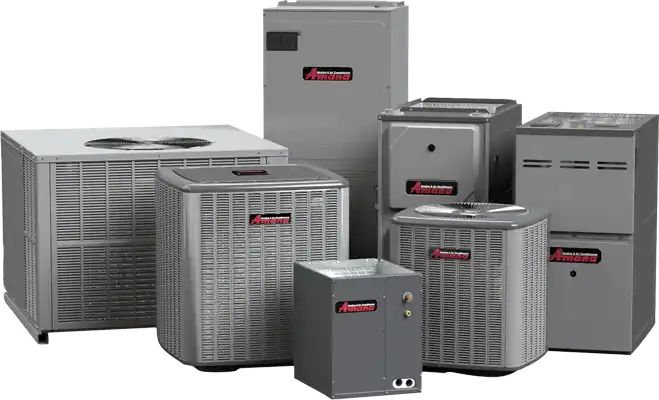
Best Practices for Furnace Installation in Woodburn, OR
When homeowners ask for the Best Practices for Furnace Installation in Woodburn, OR, I give them a short list that covers the real difference-makers:
Follow these Best Practices for Furnace Installation in Woodburn, OR and you’ll get quiet comfort, steady bills, and a system that lasts.
Cost, rebates, and timing: how to plan smart in Woodburn
Most furnace replacements in Woodburn run in broad ranges based on efficiency, staging, and duct needs. Expect higher costs when ducts require replacement or asbestos abatement. Look for utility rebates for high-efficiency furnaces and smart thermostats; programs change yearly, so check current offerings before you buy. Off-peak scheduling helps too. Book installation in early fall before the first cold snap when every HVAC Contractor Woodburn, OR is slammed. You’ll get more attention to detail and faster inspections.
If you’re coordinating with Air Conditioning upgrades, consider pairing with a heat pump or hybrid system. Dual-fuel setups can trim operating costs while preserving high heat output during deep cold. Your choice hinges on electricity rates, gas prices, and how your home handles defrost cycles.
Choosing the right partner for Heating & Cooling in Woodburn
Experience matters. Look for NCI or NATE certifications, ask to see load calcs, and request commissioning data after install. Locals often trust Whirlwind Heating & Cooling for this reason: they test what they install and stand behind the numbers. Whether you call them or another trusted HVAC Company Woodburn, OR, insist on documentation and a clear scope. If a proposal ignores ducts, that’s a red flag.
Common pitfalls I still see during Heating and Air Conditioning in Woodburn, OR
Here’s what trips up projects:
- Reusing restrictive return grilles. Undersized returns starve the blower. Upgrade them if static runs high.
- Skipping combustion air calculations in tight homes. Sealed spaces need measured intake, not guesses.
- Ignoring crawlspace conditions. Wet or vented crawls ruin ducts. Consider encapsulation or at least elevated, sealed duct runs.
- Thermostat mismatches. A single-stage thermostat on a two-stage furnace wastes the investment.
Avoid these and your system will operate as designed, not as installed in a rush.
FAQs: furnace installation and Heating & Cooling choices
How long does a proper furnace installation take?
Most replacements run 6–10 hours for a two-person crew. Add time for duct revisions, liners, or new electrical circuits. Full duct overhauls can extend to two to three days.
What size furnace do I need for my home?
There’s no one-size answer. A 1,800-square-foot well-insulated home in Woodburn might land hvac repair around 45,000–70,000 BTU with a variable-speed blower. Only a Manual J can confirm the correct size.
Do I need a high-efficiency furnace?
Helpful resourcesOften yes, but it depends on gas prices, venting options, and budget. A 95%+ AFUE unit cuts fuel use and may qualify for rebates. If venting constraints exist, an 80% unit with excellent ducts and controls can still perform well.
Should I replace my AC or add a heat pump at the same time?
If your cooling system is aging, pairing a heat pump with a gas reliable air conditioning contractor furnace creates a flexible hybrid system. It can heat efficiently most days and switch to gas during cold snaps for comfort and reliability.
Who can I trust for installation in Woodburn?
Choose an HVAC Contractor Woodburn, OR with strong references, documented commissioning, and transparent load calculations. Local teams like Whirlwind Heating & Cooling understand Woodburn homes and back their work.
Key takeaways for homeowners
Furnace success in Woodburn comes from precise sizing, disciplined ductwork, verified combustion, and thoughtful controls. Treat the house as a system. Ask for data at every step. Whether you’re upgrading Heating, evaluating Air Conditioning, or planning a full Heating & Cooling refresh, the best outcomes come from careful design and thorough commissioning. Get those https://s3.us-east-1.amazonaws.com/whirlwind-heating-cooling/heating-and-air-conditioning-woodburn/uncategorized/heat-pump-vs-furnace-what-works-best-in-woodburn-or.html right and your home will feel warmer, quieter, and healthier for years to come.
Name: Whirlwind Heating & Cooling
Address: 4496 S Elliott Prairie Rd, Woodburn, OR 97071
Phone: (503) 983-6991
Plus Code: 46GG+79 Woodburn, Oregon
Email: Ivan@whirlwindhvac.com