Ductless vs. Ducted Systems for Woodburn, OR Homes
What’s the real difference between ductless and ducted HVAC?
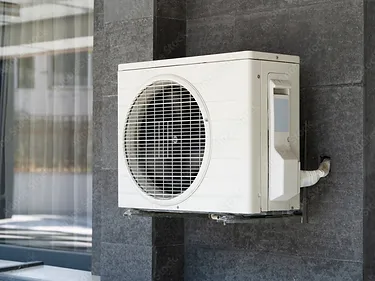
If you’re weighing ductless mini-splits against traditional ducted systems for Heating and Air Conditioning in Woodburn, OR, you’re not alone. Both deliver reliable comfort, but they solve different problems. A ducted system uses a central air handler and a network of supply and return ducts to distribute conditioned air throughout the home. A ductless system (often called a mini-split) uses one outdoor unit paired with one or more wall, floor, or ceiling-mounted indoor heads to condition zones without ductwork. Your best choice hinges on your home’s construction, layout, efficiency goals, and comfort expectations during our damp winters and warm summer spells.
After two decades working as an HVAC Contractor Woodburn, OR homeowners call for upgrades and retrofits, I’ve seen both systems shine. I’ve also seen them miss the mark when sizing, placement, or controls were treated as an afterthought. The right decision starts with your house and how you live in it.
Ductless systems: strengths, limits, and where they excel
Modern ductless systems are efficient, quiet, and flexible. A single-zone mini-split excels for an addition, garage conversion, bonus room, or a primary suite that never stays quite right with the rest of the house. Multi-zone setups can cover an entire home, especially smaller ranches or well-insulated bungalows common in Woodburn’s older neighborhoods.
- Efficiency: Many ductless heat pumps deliver SEER2 ratings in the high teens to mid-20s and HSPF2 in the 8–10+ range. Avoiding duct losses can save 10–20% compared to leaky or uninsulated ducts.
- Cold-weather performance: In our Willamette Valley climate, cold-climate mini-splits generally heat effectively into the mid-teens Fahrenheit. That covers the vast majority of Woodburn’s winter nights.
- Installation: No ducts means less disruption. We typically mount an indoor head, run a small lineset through the wall, and set the outdoor unit on a pad. Many projects finish in a day or two.
- Zoning: Each room with a head becomes its own zone with independent control. That’s a big win for comfort and targeted savings.
Trade-offs? Wall-mounted heads are visible and need periodic filter cleaning. Multi-zone systems can lose some efficiency if too many heads run lightly at the same time. And if you want fully hidden equipment and diffusers in ceilings or floors, ductless wall cassettes might not fit your aesthetic. Ceiling cassettes and ducted mini-split air handlers exist, but they add complexity and cost.
Ducted systems: when a central system makes more sense
If your home already has well-designed ductwork, a ducted heat pump or furnace-and-AC combo may be the most streamlined option. Central systems shine in homes where you want uniform temperatures and a discreet look with only registers visible. They also pair nicely with whole-home filtration, dehumidification, and advanced air cleaning.
- Uniform comfort: Properly balanced ducts provide even temperatures across rooms, which families often prefer.
- Air quality: Central returns allow high-MERV filters or media cabinets that outperform the simple screens in many ductless heads.
- Resale expectations: Many buyers anticipate central Heating & Cooling in suburban Woodburn homes, especially larger floor plans.
The catch? Ducts can be the weakest link. Older ducts leak 10–30% if unsealed, undermining efficiency and comfort. We often recommend a duct leakage test; sealing and insulating ducts delivers fast payback. Another consideration is zoning. Without dampers and separate thermostats, central systems can struggle with upstairs/downstairs balance. Add proper zoning or a variable-speed system to solve that.

Ductless vs. Ducted Systems for Woodburn, OR Homes
Ductless vs. Ducted Systems for Woodburn, OR Homes isn’t a one-size call. Local climate, power rates, and building stock all factor in. In Woodburn, we see a mix of 1970s–1990s tract homes with existing ducts and older cottages where ducts would be invasive to add. If your ducts are in a cold attic and poorly insulated, a ductless retrofit may beat a like-for-like replacement on efficiency and comfort. If you’ve got solid ducts already, a variable-speed ducted heat pump may be your most cost-effective path.
Here’s a simple rule of thumb I use: if we can get your duct leakage under 8% and insulate to R-8 or better, ducted stays competitive. If leakage is high and routing new runs means cutting into finishes, ductless gains the edge quickly.
Cost breakdowns, incentives, and long-term ownership
Upfront costs vary, but here’s what Woodburn homeowners typically see:
- Single-zone ductless: Roughly $3,500–$6,500 installed, depending on capacity and line-set distance.
- Multi-zone ductless (3–5 heads): $9,000–$18,000 based on complexity, head types, and mounting.
- Ducted heat pump replacement: $9,000–$16,000 if ducts are in good shape; add $2,000–$6,000 for duct repairs, sealing, or rework.
Operating costs favor high-efficiency heat pumps in our mild climate. Expect significant savings if you’re replacing electric resistance heat or an older 80% gas furnace. Maintenance is different, not necessarily more or less: ductless filters need monthly checks; central systems need quarterly filter changes and annual service. Either way, a yearly tune-up extends equipment life and preserves efficiency.
Don’t forget incentives. Oregon and utility programs often offer rebates for high-efficiency heat pumps and weatherization. The federal energy credit under 25C may cover a portion of qualified installs. A reputable HVAC Company Woodburn, OR homeowners trust should guide you through the current slate of rebates and credits.
Noise, aesthetics, and indoor air quality considerations
Noise matters, especially for bedrooms and home offices. Indoors, ductless heads often operate in the mid-20s to low-30s dB on low speed, which is library-quiet. Variable-speed ducted systems can be just as quiet if returns are sized generously and lined properly. Outdoors, modern condensers typically run 50–60 dB; site placement and anti-vibration pads help.
For air quality, ducted systems have the advantage of centralized, higher-grade filtration. If you have allergies, a MERV-13 or better media filter on a ducted system can be a game changer. Ductless systems filter each zone with washable screens, which catch dust but not the finest particulates. You can supplement either approach with portable HEPA units where needed.
Which is more comfortable in real life?
Comfort depends on control. A properly sized ductless system delivers precise room-by-room temperatures. I’ve had clients with a woodworking shop set their mini-split to 62 during the day to offset equipment heat and bump it to 68 for evening leisure without affecting the rest of the house. On the ducted side, a variable-speed heat pump paired with smart zoning dampers handles a two-story colonial gracefully, cutting those classic 5–8 degree swings between floors. In both cases, design and commissioning make the difference.
Common mistakes to avoid
- Oversizing: Bigger isn’t better. An oversized system short-cycles, reduces dehumidification, and increases wear.
- Poor head placement (ductless): Avoid blasting directly at seating or beds. Aim for open wall space with good air throw.
- Ignoring duct health (ducted): Seal, insulate, and balance. Test, don’t guess.
- Skipping load calculations: Insist on Manual J, S, and D where applicable. Ballpark sizing leads to ballpark comfort.
FAQs: quick answers for Woodburn homeowners
Will a ductless mini-split heat my home during a cold snap?
Most cold-climate models handle Woodburn lows well, often down to the mid-teens. During rare colder events, capacity drops, so proper sizing and weatherization matter. Some owners keep electric strips or a gas fireplace as backup.
Are ducted systems more expensive to run?
Not necessarily. If ducts are tight and insulated, a variable-speed ducted heat pump can match or beat multi-zone ductless efficiency. Leaky ducts are the budget killer.
Which option is better for indoor air quality?
Ducted systems usually win thanks to centralized high-MERV filtration. Ductless can be supplemented with room air purifiers for similar benefits.

Can I mix ducted and ductless?
Yes. Hybrid designs are common: keep a central system for main areas and add a ductless head for a bonus room or sunroom with different loads.
How do I choose the right size?
Request a Manual J load calculation based on your home’s insulation, windows, orientation, and air leakage. Square-foot rules of thumb often oversize by 20–40%.
Ductless vs. Ducted Systems for Woodburn, OR Homes: the bottom line
Ductless vs. Ducted Systems for Woodburn, OR Homes comes down to your ducts, your https://s3.us-east-1.amazonaws.com/whirlwind-heating-cooling/heating-and-air-conditioning-woodburn-or/uncategorized/top-hvac-brands-trusted-in-woodburn-or.html layout, and your priorities. If you value room-by-room control, minimal remodeling, and top-tier efficiency without duct losses, ductless is hard to beat. If you prefer a hidden system, uniform temperatures, and whole-home filtration, a high-efficiency ducted heat pump is a strong choice. Either path benefits from proper design, commissioning, and maintenance.
When you’re ready to compare options, lean on a seasoned HVAC Company Woodburn, OR residents trust. Whirlwind Heating & Cooling can evaluate your ducts, run accurate load calculations, and present apples-to-apples proposals so you know exactly what you’re getting. Whether you choose ductless or ducted, the right design delivers quiet, efficient comfort for years.
Name: Whirlwind Heating & Cooling
Address: 4496 S Elliott Prairie Rd, Woodburn, OR 97071
Phone: (503) 983-6991
Plus Code: 46GG+79 Woodburn, Oregon
Email: Ivan@whirlwindhvac.com