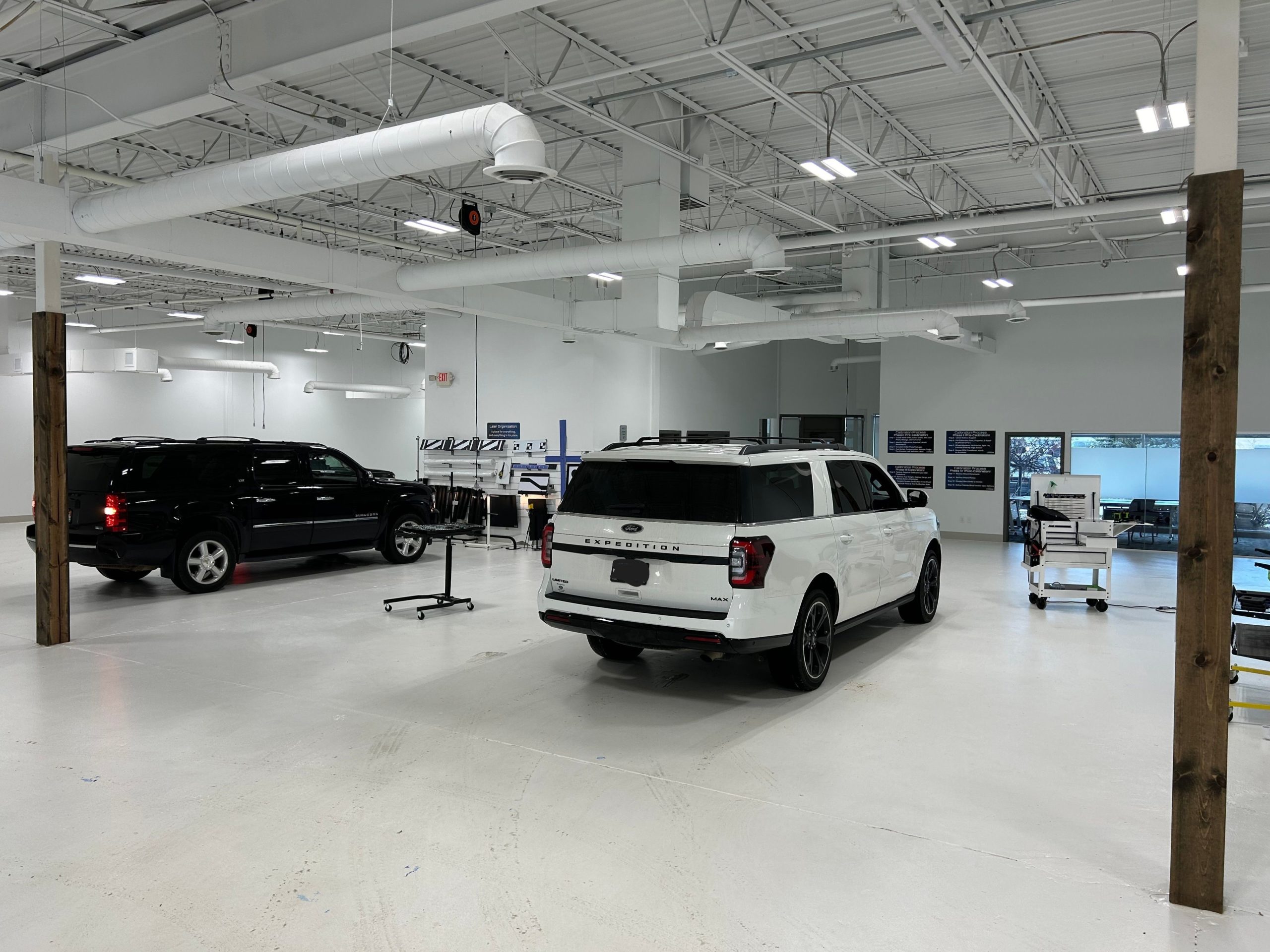
Why Accurate ADAS Calibration Matters: Insights for Collision Centers
The New Standard in Collision Repair
Modern vehicles arrive at collision centers bristling with advanced driver-assistance systems (ADAS), including cameras, radar, lidar, and ultrasonic sensors. These features keep drivers safer than ever but introduce new demands on repair technicians. A routine windshield replacement or bumper repair is no longer a simple matter of fit and finish. Every time ADAS equipment is disturbed, calibration becomes crucial to ensure that lane-keeping assist, adaptive cruise control, and emergency braking operate as designed.
At our Bloomington, MN facility, we see firsthand how small misalignments can lead to subtle but dangerous malfunctions. For example, a forward-facing camera out of alignment by just a degree or two may misinterpret road markings or obstacles. In one case last winter, a vehicle’s lane-departure warning failed to trigger until the car was nearly across the centerline because its camera had not been recalibrated after glass work at another shop.
What Calibration Entails
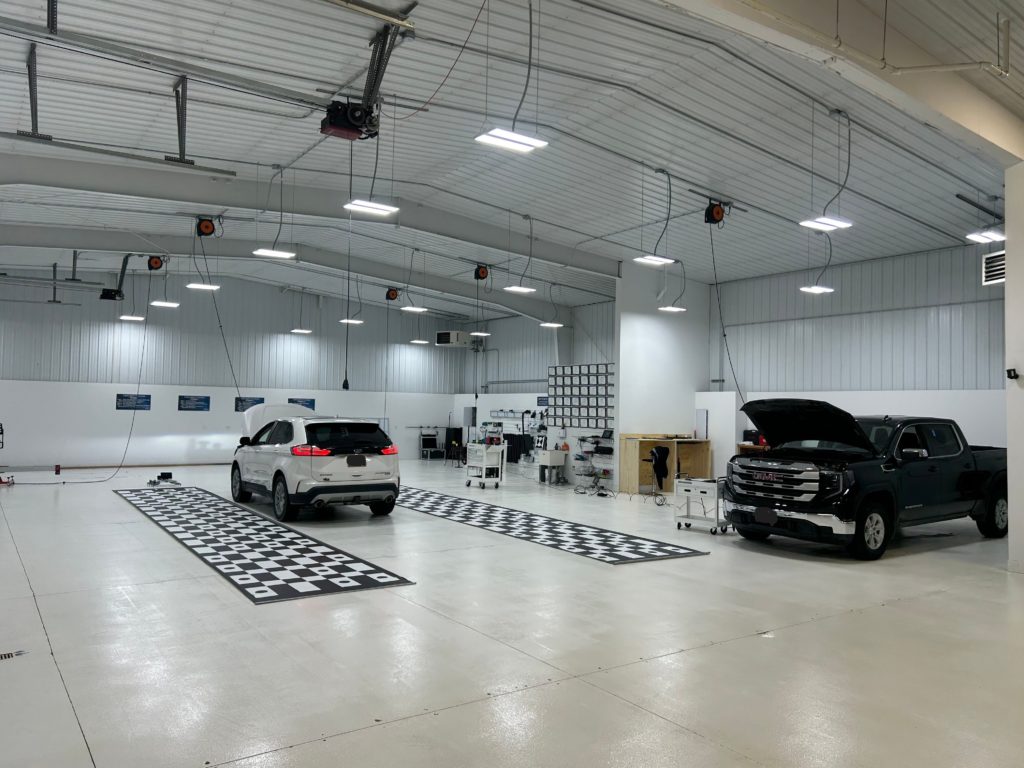
ADAS camera calibration and sensor calibration aren’t mere box-checking exercises. Each manufacturer specifies unique procedures and tolerances. Some require static calibration using target boards in a controlled environment; others demand dynamic recalibration during a test drive under specific conditions.
A typical windshield ADAS calibration in Bloomington, MN might involve:
- Verifying initial alignment using laser measurement
- Placing OEM-specified targets at precise distances
- Connecting factory scan tools to initiate the recalibration sequence
- Completing on-road functional tests when required
Getting even one step wrong can result in error codes or undetectable inaccuracies that only surface later - often at high speeds or in poor weather.
Why Precision Matters
The margin for error is razor-thin. Consider adaptive cruise control: if its radar sensor sits just 3 millimeters off spec after front-end repairs, it could misjudge following distance by several feet at highway speed. That difference may sound minor until someone’s safety depends on it.
Calibration services also help protect collision centers from liability. Most insurers now require documentation proving that ADAS recalibration was performed according to OEM specs before approving claims related to glass or structural work. Failing to calibrate - or documenting poorly - exposes shops to costly callbacks or worse if an accident occurs.
Common Pitfalls and Trade-Offs
Not all ADAS calibration centers are steps for ADAS recalibration alike. Some rely on universal aftermarket tools that claim coverage for many makes but lack the precision of OEM equipment. In our experience, shortcuts like these almost always invite trouble: incomplete calibrations, unexplained dashboard lights, or customer complaints about “phantom” alerts.
Certain vehicles present edge cases where standard procedures don’t apply neatly. For instance, heavy snow can hinder dynamic how to recalibrate ADAS calibrations in Minnesota winters; some models need perfect tire inflation and load distribution; others require re-leveling suspension components first. The judgment calls involved separate experienced technicians from amateurs.
When Should Collision Centers Seek Calibration?
Anytime ADAS sensors are removed, replaced, or potentially jostled out of alignment during repairs, recalibration is mandatory. This includes:
- Windshield replacements involving embedded cameras
- Front-end collisions impacting bumper-mounted radar
- Suspension work altering ride height
- Door mirror replacements with side-view cameras
Some shops try to “eyeball” sensor position after minor jobs but this rarely suffices for today’s tight tolerances.
A Day in the Shop: Real Experiences
Last spring, we handled a late-model SUV whose owner complained about erratic lane centering after minor bodywork elsewhere. Our diagnostic scan revealed both front-facing cameras slightly off axis from prior repairs lacking proper ADAS sensor calibration. After precise realignment and recalibration using OEM targets and software, the system functioned flawlessly again - restoring both safety and driver confidence.
We see similar stories play out weekly: missed calibrations causing headaches for customers and added costs for shops forced to redo incomplete work from competitors using generic tools instead of dealer-grade setups.
Choosing an ADAS Calibration Partner in Bloomington
Selecting an experienced ADAS calibration center pays dividends in reliability and peace of mind. Look for providers who:
These factors distinguish true specialists from generalists dabbling without full understanding.
The Road Ahead
As vehicle technology advances further toward autonomy, the role of precise ADAS calibration will only grow more central to safe operation on Minnesota roads. Collision centers willing to invest in proper equipment and expertise will protect their customers - and themselves - while maintaining trust in an increasingly complex automotive landscape.
Windshield ADAS calibration in Bloomington is no longer optional background work; it’s become a defining mark of professionalism in collision repair today.