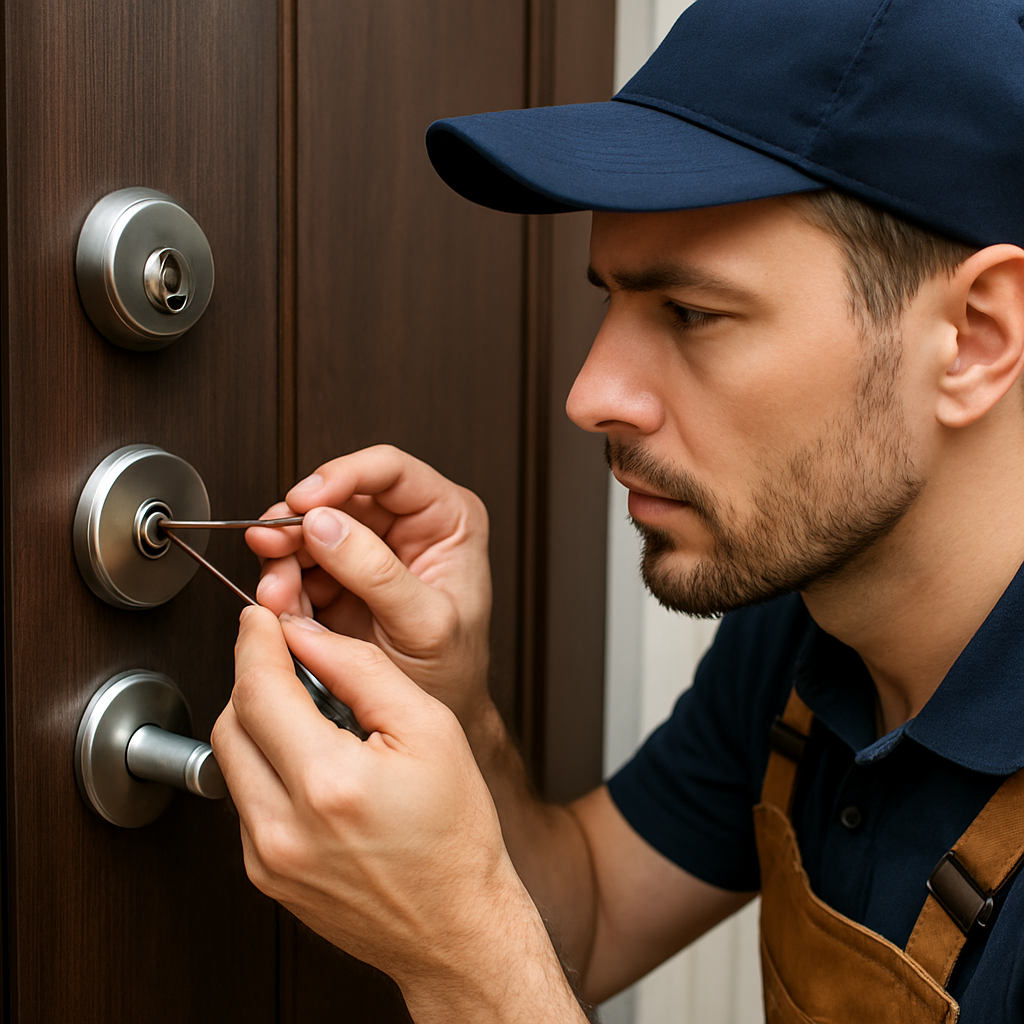
Rapid response 24 hour lockout in Orlando FL
Quick response lockout service in Orlando focuses on getting you back inside fast. Being stranded with a locked door is solvable with the right gear and a technician who knows what to do. If you need someone now, check local reviews and details carefully rather than choosing the first caller you see. In my experience working with homeowners and small businesses around Orlando, clear communication with the dispatcher makes the most difference, and the anchors to local options matter: when you need immediate help, consider 24 hour locksmith near me as one place to start your search while you confirm identity and access details.
Why speed changes the outcome is not just about convenience. A locked commercial door during business hours can cost a store hundreds in lost sales within an hour. The right technician combines speed with judgment, knowing when to pick a lock, when to rekey, and when to recommend replacement.
Typical lockout situations in Orlando and realistic outcomes
Experienced techs recognize the scene quickly because most lockouts repeat in slightly different forms. Car lockouts usually trace to fob battery failures, frozen locks, or keys locked in the vehicle. A brief description of any security system or gated community rules will avoid unnecessary delays at arrival.
What to look for in a rapid lockout technician
The best on-scene outcome comes from someone who knows when to pick, when to bypass, and when to replace. Technicians trained in vehicle entry bring long-reach tools, slim jims, and safe airbag-aware techniques. A reliable provider will offer an upfront ballpark over the phone and a clear invoice at the end of the job.
A technician arriving without access paperwork can be held up at security, converting a quick job into a long one.
How pricing usually works for 24 hour lockout calls
Emergency lockout pricing varies by time of day, distance, and the complexity of the job. Many providers charge a flat service call fee plus labor and parts, while others quote a single all-in price over the phone. When replacement of a deadbolt or rekeying is needed, factor parts and labor into the estimate.
Experienced locksmiths will give trade-offs so you can decide based on safety, time, and budget.
How technicians confirm identity and protect property
Responsible locksmiths verify identity and ownership before performing entry, and you should expect that as a normal step. If you are locked out of a car, showing registration and matching ID typically clears locksmith support the way; if the vehicle has been reported stolen, the technician will defer to police. Legitimate technicians will also explain their method and confirm whether they intend to pick the lock, remove the cylinder, or drill, and will only proceed with your consent.
Most reputable companies can provide that information quickly to reassure you.
Vehicle entry specifics and common pitfalls
Older cars usually let an experienced tech use manual tools; newer models often require careful handling to avoid airbags and electronics. A short checklist you can run while you wait includes testing spare fobs, checking doors for unlocked compartments, and moving to a safer spot if roadside. Replacing a transponder key often takes time and programming; if the technician can't do it on the spot, they will secure the vehicle and schedule follow-up.
Electronic and smart lock challenges in residential lockouts
Sometimes the fix is simple, like a battery swap, and other times it requires manufacturer reset procedures. Write down serial numbers and any manufacturer contact info in a notes app so you can read them to the dispatcher; that often saves a trip if specific parts are needed. Small steps like a labeled spare can prevent emergency calls, but they also reduce the risk of being targeted by opportunistic thieves when you are distracted trying to get back inside.
Real-world trade-offs and timeframes
If the lock is part of an integrated security system, replacement might require coordination with the system vendor. A common scenario is a tenant move-out where rekeying is economical, and a landlord often chooses it for speed and lower cost. Ask about warranties for parts and labor; many companies offer limited guarantees that matter if a new part fails soon after installation.
Information, photos, and access notes that help technicians deliver faster
Before the tech arrives, pull up a photo of the lock or vehicle dash, confirm your location and any gate codes, and be ready to show ID. Send the dispatcher an image of the lock and the surrounding area if possible, because that helps them choose the right technician and tools. Keep children and pets safe and out of the work area so the tech can work efficiently.
Traffic, weather, and regional specifics that change dispatch times
A technician who knows how to avoid theme-park congestion or which neighborhood has permit parking will arrive faster on average. Local knowledge also helps when properties have quirks, like older lock types in historic neighborhoods or gated entries in new developments. Trustworthy local firms cultivate relationships that smooth entry and speed repairs.
How to get a clear agreement and avoid surprises
Ask whether the technician will proceed with non-destructive methods first and what the fallback options would cost. If you need an invoice for insurance reimbursement, ask that they itemize parts and labor on the receipt. If you feel pressured or if the estimate seems vague, pause and call the dispatcher for clarification.
Practical example: on one late-night call I took, the homeowner agreed to a non-destructive entry after we confirmed the doorframe was intact, but we left the option to replace the deadbolt the next morning if the mechanism showed excessive wear.
What warranties look like and how to handle problems after service
If a replacement part fails within the warranty window, the company should repair or replace it without additional labor in many cases. Ask whether the company is insured and whether they will provide documentation if a third party, such as a landlord or building manager, requests proof. If a problem recurs, document it and call the company promptly; many issues are simple follow-ups rather than new emergencies.
Small details that prevent bigger problems later
Small oversights in a rushed entry create avoidable follow-up work and cost time and money. When I arrive on calls, I look for signs of previous poor repairs because they predict complications and longer labor time. Good technicians will explain what they did and why, and they will show you the replaced part if applicable.
Simple maintenance and planning that cut risk
Most lockouts are preventable with a few simple habits and modest investments. Schedule lock maintenance every year or two if Florida you live in a humid climate because corrosion shortens component life. If you have frequent visitors or contractors, consider a managed key system or an access control panel with user management.
Selecting a long-term locksmith relationship versus single-call service
A provider who knows your property can offer proactive visits, bulk pricing for multiple locks, and quicker emergency response. Ask whether the company offers business accounts if you manage multiple properties; accounts simplify billing and dispatch. Make sure any agreement is explicit about hours, rates, and what triggers an emergency response.
Scenarios where locksmiths defer to police
Locksmiths routinely coordinate with police and property managers when ownership or safety is in question. A locksmith can often be scheduled to secure the property after a police inspection, but they should not enter a crime scene independently. That caution protects you and the technician, and it prevents liability for all parties.
What to keep for warranty and insurance purposes
Confirm that any alarm codes or access procedures still function if the job touched those systems. If the company provided a warranty card, file it with your other home-service documents. Clear records speed reimbursement and prevent disputes about cause and cost.
Experience teaches that a calm, documented approach reduces stress and leads to better outcomes than rushing or accepting unclear terms.
Final practical advice for choosing emergency lockout help in Orlando
Keeping a small set of expectations in mind makes the call go smoothly for you and the technician. Before you call, have ID, photos of the lock or vehicle, and any gate or building codes ready to share with the dispatcher. When you need help quickly, a prepared call, a reputable local team, and clear agreement on scope and cost will get you back inside with the least hassle.