Professional locksmith Orlando for after-hours lockout service
Finding a reliable locksmith after a lockout can feel urgent and confusing. I write from years of fieldwork responding to home and vehicle lockouts locksmith business and advising property managers, so this piece focuses on practical choices rather than marketing slogans. When you search for immediate help, use simple checks to separate legitimate locksmiths from scams and to avoid unnecessary damage. In the second sentence of this paragraph you can compare services using reviews and listings like locksmith Orlando to get an initial sense of availability and reputation.
Why response time changes the experience
Lockouts escalate quickly from annoyance to safety concern when someone is stranded outside at odd hours. Practical factors like parking, elevator delays, and whether a key is actually available also change the response time. In my experience, truly local crews can often be on-site in 15 to 45 minutes inside a mid-sized city, while out-of-area services commonly take longer.
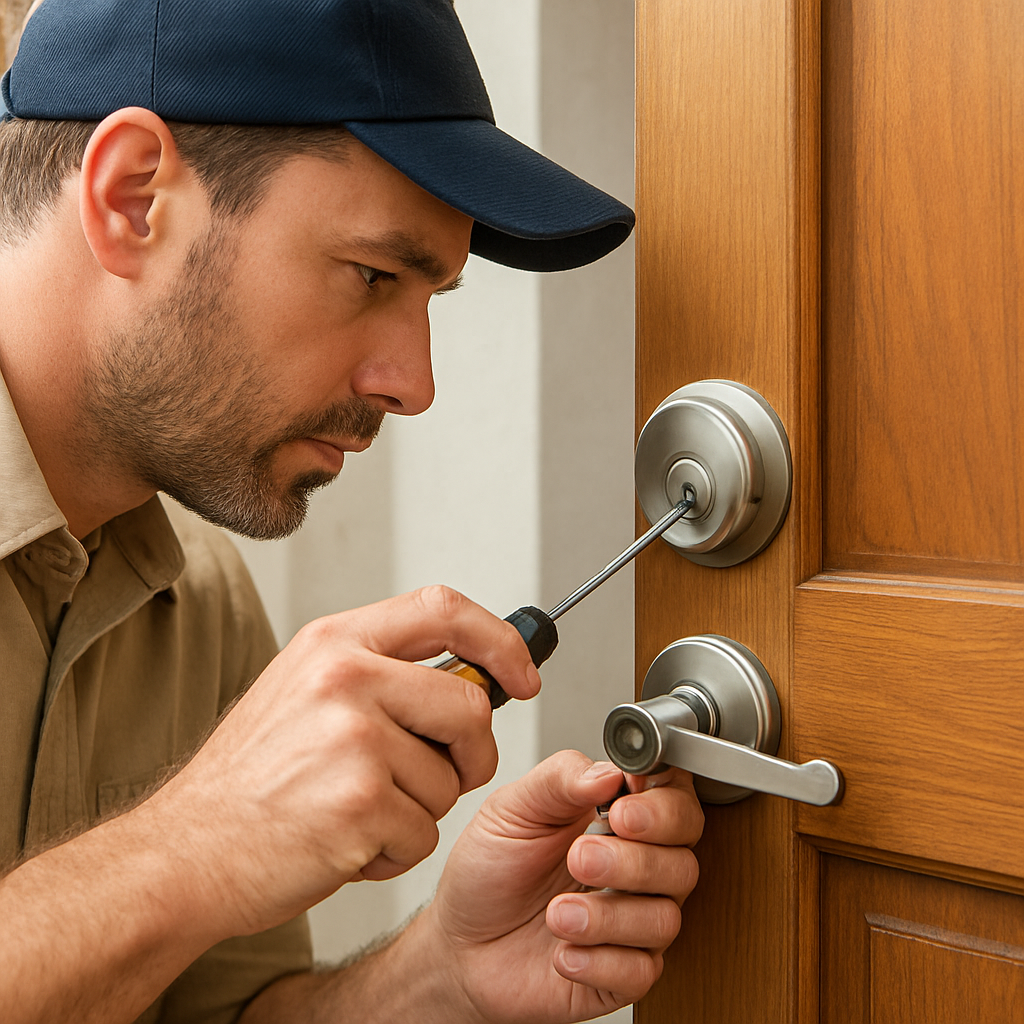
Speed alone is not enough; you also want a technician who knows non-destructive entry and carries the right tools. Skilled locksmiths prioritize non-destructive techniques and carry picks, bypass tools, and appropriate replacement hardware.
Fast checks for legitimacy
A quick verification routine cuts the odds you'll end up paying an unlicensed or predatory caller. Look for a verifiable business name, local phone number, and a physical address that matches online listings. Refusal to identify themselves or provide an upfront price is a clear red flag.
Licensing requirements vary by state, so know the basics for your area. If you're uncomfortable checking licenses in the moment, favor businesses with long review histories and consistent local reviews.
How honest locksmiths present their prices
Upfront, clear pricing prevents surprises after the job is done. Common line items on a locksmith invoice are the callout fee, per-job labor, and replacement hardware or rekeying costs. For many residential lockouts, a non-destructive entry plus a basic rekey or key cut will usually fall into a modest range, but exact numbers depend on the lock type.
Insist on a price confirmation before work begins and a signature-friendly invoice after completion.
Choosing a locksmith for homes
Master key systems require someone familiar with keyed-alike or master-keyed cylinders to avoid creating security gaps. Some residential complexes mandate approved vendors, and ignoring that can complicate reimbursement or cause lock incompatibility. A clear explanation of the chosen method is a hallmark of a professional locksmith.
Vehicle lockouts and common pitfalls
Some locksmiths focus solely on residential and commercial locks and will either refuse or inflate car jobs. Ask whether key cutting and programming are available on-site or whether the tech will tow your car to a secondary location. If drilling is needed, ensure you get an explanation of replacement parts and warranty.
Balance membership coverage against immediate need and potential after-hours surcharges.
Locks for businesses and property managers
Commercial systems tend to be more complex and often require scheduled maintenance or a service contract. Professional commercial technicians will tag keys, maintain serial records for cylinders, and offer scheduled audits for larger sites. When evaluating quotes for commercial work, consider the total cost of downtime and liability, not just the lowest bid.
Non-destructive entry explained
Techniques such as single-pin picking, plug spinners, and bypass methods minimize damage and preserve function. Technicians also carry spare cylinders, key blanks, and rekey kits to complete common jobs on the spot. Insist on seeing the replaced parts and ask for the leftover hardware when practical.
When to call the police or your property manager first
Police reports are often necessary for insurance and for verifying the incident later. If you are renting, check lease terms: some agreements require landlord approval before changing locks. Always assess immediate danger such as medical emergencies or a child locked inside, and call 911 if needed.
What good warranties look like
Typical warranties range from 30 days to one year for labor on basic services, while manufacturer parts carry their own coverage. A company committed to quality will treat warranty calls as part of its service promise rather than a new revenue opportunity. Legitimate firms understand that clear paperwork protects both Florida parties.
Using reviews to assess a locksmith
Online reviews are useful when you know how to read them, and a pattern beats a single glowing or hostile review. A single five-star review without detail is less informative than three consistent four-star reports describing similar experiences. If multiple reviewers mention a particular technician by name, that consistency generally signals a stable business rather than a fly-by-night operator.
Payment methods, receipts, and avoiding scams
If you must pay cash, insist on a detailed receipt with the company name, technician name, exact charges, and a contact phone number. A reasonable practice is a modest deposit for scheduled jobs and payment on completion for emergency calls when work is done and verified. A clear, signed invoice is the single best protection you have after the technician leaves.
Deciding between rekeying and replacement
Replacing a cylinder or whole lock is preferable when the hardware is worn, the door fit is poor, or you need upgraded security. Think of rekeying as a short- to mid-term fix and replacement as long-term prevention. A professional will outline lifespan expectations and any door adjustments needed for a full replacement.
Preventive steps
Avoid household oils that attract grit and accelerate wear. Small fixes like tightening loose screws and adjusting hinges often stop a lock from binding and failing at an inconvenient moment. A lockbox or a registered key service preserves security while keeping a backup accessible.
Small investments in maintenance pay off in fewer emergency calls and lower lifetime costs.
Closing guidance
A good locksmith is local, transparent on price, able to prove identity, and willing to explain options clearly. A short verification call reduces the odds of being scammed and helps you decide between membership assistance and independent locksmiths. Directories and local business pages often show which companies handle after-hours calls and which carry automotive or commercial credentials.
Professional locksmithing is straightforward when you insist on transparency and local accountability. Trustworthy locksmiths build reputations by consistently showing up and solving problems cleanly; find one before the next emergency. Verified listings will often include service hours, specialties, and sample pricing ranges to help you decide quickly.