
New Office Locksmith Orlando
When you sign a lease or take keys to a new space in Orlando, the locks and access controls deserve immediate attention. Investing a little time with a commercial locksmith up front saves time and money later and reduces liability. Before you talk to contractors or pick a security system, read details and options from Orlando locksmith for businesses so you can compare realistic proposals. This guide walks through what new businesses need and why those choices matter.
Why your first locksmith decisions shape future security.
Small mistakes with locks become recurring problems that cost time and money. A lock strategy should reduce friction for authorized users while increasing friction for opportunistic intruders. Handling these details proactively is a small cost compared with a weekend lockout or a compromised key bundle.
Assessing your space before you call a locksmith.
Walk every door, gate, and internal cupboard and note who needs access and when. Measure existing hardware, note deadbolts, panic bars, and electronic strikes, and photograph any dated locks. Establish a simple key policy before issuing keys so replacements, returns, and audits are manageable.
Picking the right locks and hardware for your operation.
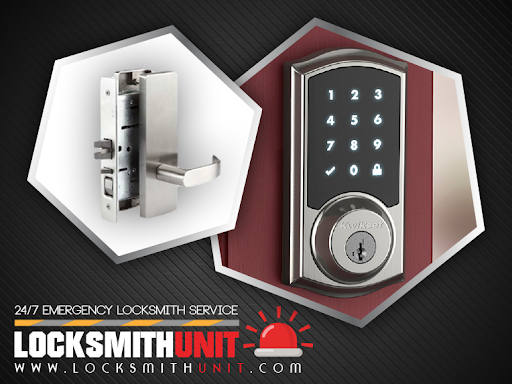
A busy retail entrance demands a heavy duty cylindrical lock and exit hardware, while an inner office door can use a lighter privacy lock. Electronic access reduces key copying risks and simplifies temporary access for contractors and cleaners. A standard commercial Florida deadbolt plus installation might fall within a modest range, while electrified locks or smart readers add cost and wiring needs.
Master keying and key control basics.
Use master keys sparingly and pair them with strict tracking and return policies for departing staff. A locksmith can register your key profile so copies are traceable and controlled over time. Balance convenience with accountability and plan periodic audits of who holds which keys or credentials.
Pros and cons of electronic access for a new Orlando business.
Electronic access scales well with staff turnover and provides logs that matter during investigations. Some readers talk to a centralized controller over your LAN, while others run over a cloud service and use Wi-Fi or cellular backups. A keypad provides familiar PIN access but carries the risk of PIN sharing; Bluetooth or short-range credential types reduce that risk by binding to user devices.
Emergency planning and 24-hour service expectations.
Confirm response windows and whether the technician carries parts and cutting equipment to handle common scenarios. Make sure your emergency contact list includes your locksmith, building manager, and a secondary security contact, and store that list in a visible place. If you have high-value inventory or time-sensitive operations, negotiate a service level that prioritizes your calls and clarifies fees for after-hours work.
Vehicle and mobile locksmith needs for businesses with fleets.
Mobile units often offer transponder key programming and remote replacement for common models. Maintaining a keyed-alike fleet can be convenient but increases risk if one key is lost; consider unique keys with controlled access for higher risk fleets. Factor those service hours into routing and payroll estimates so unexpected lock issues do not cascade into missed deliveries.
Costs and budgeting realities for Orlando businesses.
Expect a wide range of costs depending on hardware quality, wiring needs, and labor, and plan with realistic ranges rather than single numbers. Electrified hardware and access control panels typically start higher and rise with door count and integration complexity. Avoid the cheapest bid unless you verify credentials and insurance, and consider warranty length and responsiveness as part of total cost.
Selecting and vetting a locksmith in Orlando.
Check local business reviews but treat them as one input among references and on-the-job demonstrations. A short site visit reveals practical concerns like door frames that need reinforcing or thresholds that affect panic hardware. Good documentation simplifies future changes and provides evidence if you ever need to prove who had access.
Real-world decisions and the trade-offs that matter.
For a tightly run professional practice, fewer keys and stricter control over a small master group might be simpler and cheaper. Rekeying entire suites after a key compromise is safer but more expensive than changing a single cylinder, and the right choice depends on how many doors share the key. Wireless credentials have improved reliability and battery life and can be a practical retrofit in heritage properties.
A practical list to hand your locksmith on the first visit.
Have a list of doors and access requirements, a sketch of the floor locksmith installation services plan, and names of staff who need keys or credentials. Ask the locksmith to include a recommended key control policy and a basic emergency response plan in their proposal. A clear owner for key inventory closes the loop and prevents "who has that key" arguments.

Mistakes new businesses make with locks and how to prevent them.
Avoid scatter by issuing keys on a sign-out basis and logging returns at offboarding. Budget for durability in high-use locations and accept lighter hardware in low-traffic private offices. Include events like lost keys, terminated employees, or suspicious after-hours access as automatic triggers.
Managing temporary access for third parties.
Issue time-limited electronic credentials or temporary PINs for cleaners and contractors rather than handing out permanent keys. Record serial numbers and cylinder types so replacements match exactly if a key is lost. It also provides a baseline so you can spot unusual access patterns in the future.
Practical timeline for implementation when you open.
Plan rekeying or cylinder replacement on the first business day if the space changed hands recently. A one-month check catches configuration errors and employee training gaps before they cause pain. Periodic audits reduce entropy in the system and keep policies aligned with staff changes.
Local considerations for hiring an Orlando locksmith.
That local knowledge translates into faster installs and fewer callbacks. They can advise on permitted hardware for historic districts or buildings with strict façade rules. Local vendors can also coordinate better with neighboring businesses and property managers.
Concrete steps to take now that will pay off for security.
Rekey or change exterior entrance cylinders immediately, establish clear key control, and document who gets which credential. Regularly review access logs if you use electronic systems and revoke credentials promptly for departures. Plan for occasional cylinder replacements, battery changes, and policy reviews so access control stays effective and usable.
Getting three written bids prevents surprises and clarifies differences in parts, labor, and warranty terms. Select the locksmith who balances responsiveness, clear documentation, and fair pricing for your scale. A thoughtful start pays off: lock choices and key control you make today will determine how smoothly your business runs for years.