24 hour locksmith in Orlando with commercial lockout solutions
When a key snaps or a late-night lockout happens, the right response makes all the difference. If you are searching and need a reliable option, check local specialists for rapid response; for instance, 24 hour locksmith near me appears on many lists and can be a practical starting point mid-incident. Before diving into options, know that the rest of this article covers on-call response, what technicians actually do on arrival, cost expectations, and safety checks so you can make a practical choice rather than guess.
Why you want a 24/7 locksmith service.
A Florida late-night lockout is not just inconvenient, it changes how you evaluate risk and cost. Street-level experience shows that a locksmith who does frequent late calls knows shortcuts that save time and avoid damage, such as which trim panels to push and which locks to bypass.
How the early moments of a call set the tone for the service.
A fast, clear intake speeds arrival and helps the technician bring the right parts. Avoid providers that refuse to describe likely charges over the phone; transparency at that stage is a positive sign.
Common tools and safe techniques used on-site.
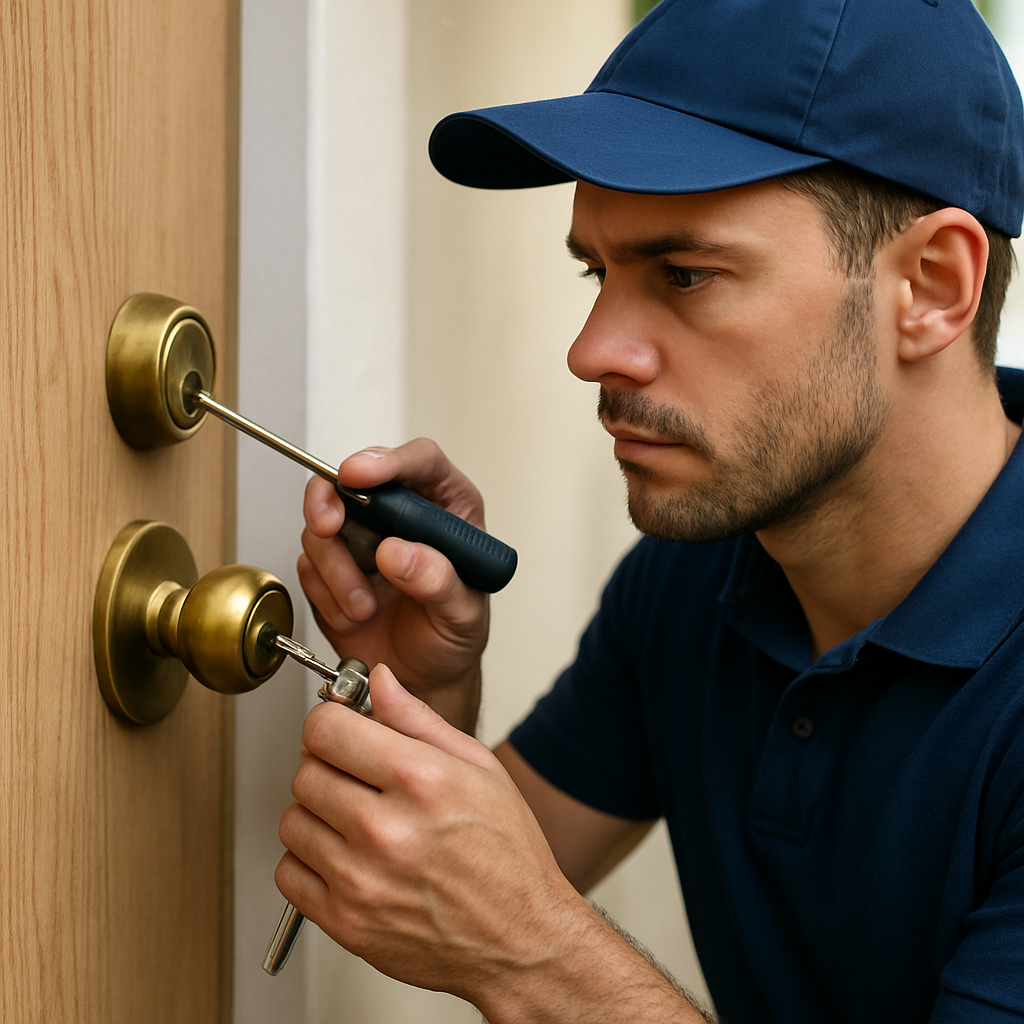
Experienced pros frequently use slim jims, wedge sets, plug spinners, and electric pick guns for cars, and lock bypass tools, tension wrenches, and key extractors for homes and businesses. I have turned away attempts to jim open a vehicle when the owner showed a damage history, because a small precaution saves a costly repair later.
How pricing usually works for emergency locksmith calls.
Always ask for a clear breakdown before technicians start work. Flat-rate pricing for common tasks like residential single-cylinder lockouts or standard car unlocks is common, and reputable companies will quote those prices upfront where possible.
Practical checks to confirm legitimacy.
If the person who answers the phone offers an unusually low quote and then raises the price at your door, that is a classic red flag. Legitimate technicians often accept card payments and give a printed receipt; cash-only operations without a coherent explanation deserve extra caution.
Common issues with transponder and proximity keys.
Many cars use transponder chips and locksmith experts proximity fobs that require on-site programming or key cutting to replace, and that adds time and skill to the response. If your car uses a push-button start, the technician will check for access to the emergency key blade or the vehicle's programming requirements, because not every locksmith carries every brand-specific programmer.
Why a handyman approach can cost more than a pro.
If your door is settling and has a recurring stick, a locksmith can recommend adjustments that stop repeated lockouts. If you live in a multi-unit building, record the unit number and access rules for quicker resolution during an after-hours call.
What broken-key jobs actually involve.
Expect the technician to inspect the fragment and the lock after removal to advise whether rekeying is prudent. If the lock itself shows signs of damage, the responsible technician will explain the trade-offs between repair, rekeying, and full replacement.
Balancing cost, security, and ease of use.
Mixing mechanical and electronic options tends to be the most pragmatic approach for many households. A locksmith can often retrofit new hardware to match your existing door and finish for a cleaner look and lower labor cost.
Situations that favor dealer involvement.
For cut-and-program jobs on many mainstream makes, a local locksmith is faster and less expensive, and they can sometimes program keys that cost far less than dealer quotes. Sometimes the dealer will instruct you to obtain a locksmith estimate first, and other times they will require dealer-only service; clarify that up front to avoid wasting time.
How to make sure you are protected on arrival.
Ask whether the technician is licensed or bonded, whether the company carries insurance for accidental damage, and whether the quoted fee includes the after-hours dispatch charge. Recording the technician's name and vehicle plate number before they enter your property adds an extra layer of consumer protection.
How to prepare for a locksmith appointment to save time.
If a spare key is available nearby, point it out to the dispatcher because it may be the simplest resolution. Good preparation reduces both the time on scene and the overall bill.
Why documented billing matters for locksmith services.
A printed invoice with line-item charges provides a record if you need to dispute a bill or file an insurance claim, and reputable providers will always give one upon request. Sometimes a technician will discount part of the bill for minor issues they caused; get any such agreement in writing so the refund is traceable.
Practical signs of reliability over time.
Look for one that provides clear maintenance schedules and can visit periodically to lubricate and inspect critical hardware, because preventive care reduces emergency calls. Long-term relationships often lead to quicker service and sometimes preferred rates for repeat business.
Reality checks based on trade experience.
Assume nothing and ask for transparent answers. Some clients assume keys can always be reproduced instantly, but modern transponder or proximity systems require programming steps that add time and cost, while older mechanical keys are usually faster and cheaper to cut.

Safety and privacy considerations during emergency calls.
Keep valuables out of sight while work proceeds, because practical privacy remains important. Professional firms welcome verification and expect clients to be cautious.
Checklist for wrap-up and follow-through.
Confirm the lock operates smoothly and test all relevant doors and windows before the technician leaves, because a quick check catches issues when repair is still easy. If you notice any new problems within the warranty window, call the same company first and explain clearly what happened, because most reputable providers will correct installation errors at no extra charge.
Everyday habits that reduce emergency calls.
These small habits reduce the chance of a stressful, expensive night. When you move into a new home, consider rekeying the locks right away to control access and simplify future calls about lost keys.
When to call now and what to expect next.
Either way, clear communication and basic verification protect you and make the service smoother. Remember to keep identification and proof of ownership handy and to ask for a printed receipt after service, because that preserves your rights and gives you a record for warranty or insurance claims.