
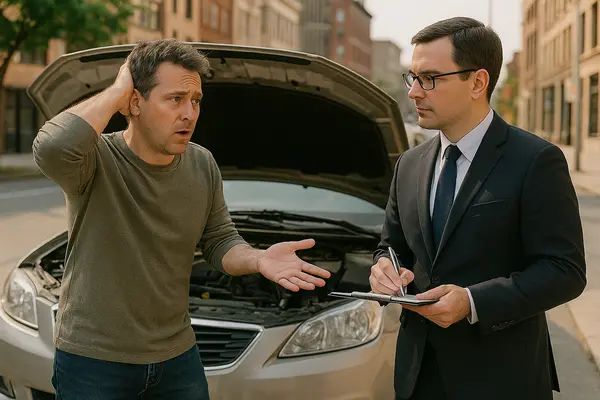
Why Manufacturer Pushback Makes Lemon Vehicle Claims So Difficult
Automakers do not enjoy buying back cars. That simple truth sits under almost every lemon vehicle claim that spirals into months of letters, inspection requests, and arguments over what should be obvious. I have watched solid cases bog down because a service advisor chose the wrong phrase on a repair order, and I have watched thin cases succeed because the owner kept disciplined records and refused to be provoked into a hasty settlement. The law may promise relief for defective vehicles, but the path winds through a thicket of tactics that manufacturers and their agents have spent years perfecting.
This is not a screed against the industry. Most warranty disputes end without drama. But when a vehicle is a genuine lemon, the manufacturer’s incentives and playbook make the process harder than it needs to be. Understanding why that pushback occurs, and how it shows up in practice, helps owners and lemon law lawyers decide when to press, when to settle, and how to keep the record clean.
The incentive to resist
A buyback costs more than the check you receive. Add transport, auction losses, administrative load, registration and tax reimbursements, and the cost to set a precedent that might ripple through similar claims. Multiply that by the number of vehicles from a problematic model year, and you can see why a manufacturer trains its field team to resolve issues with repairs rather than repurchases. Warranty budgets answer to finance, and finance prefers predictable repair costs to the variable, often higher costs of repurchase or replacement.
There is also the matter of reputation. A buyback is an admission, at least in the customer’s eyes, that the company failed to deliver a safe, reliable product. Repairs can be framed as continuous improvement. A buyback feels final.
This tension explains the rhythm many consumers experience. The first repair attempt is quick and courteous. The second is thorough. By the third or fourth, the tone changes. You start hearing phrases like “operating as designed,” “characteristic of the vehicle,” or “could not duplicate concern.” Those phrases are not random. They are the scaffolding for a future argument that your case does not meet lemon law thresholds.
What the law requires, and how that shapes pushback
Every state’s lemon law has its own language, but most versions tilt around three concepts: a substantial defect covered by warranty, a reasonable number of repair attempts, and a qualifying time or mileage window. Add a serious safety defect category that sometimes requires fewer attempts, plus a cumulative days out of service benchmark. The specifics vary, but manufacturers read these statutes carefully and train teams to steer claims just shy of those triggers.

If the statute presumes a lemon after four unsuccessful repair attempts, expect a strong push for a fifth attempt with a new “factory authorized repair.” If the law presumes a lemon when the vehicle spends 30 cumulative days in the shop, you may see repairs scheduled in shorter bursts, or your vehicle returned to you between parts orders so the clock stops.
When owners do not realize how these thresholds work, they may unknowingly agree to exactly the sequence that weakens their case. A classic example: accepting a loaner without confirming that the repair order shows the vehicle as out of service. If the paperwork calls your loaner a “courtesy rental” while marking your own vehicle as “awaiting customer pick-up,” the days might not count as shop time in the manufacturer’s tally. That does not make the argument legally correct in every state, but it signals how the company will frame it.
The documentation game
I have seen two families with identical transmission failures end up in opposite places. The first kept every repair order, text, and email. They took date-stamped photos of the dash when warning lights appeared, and they documented the exact conditions that triggered the issue, such as the speed range and incline. The second family relied on verbal assurances and tossed repair receipts into the glove box they later traded away. The manufacturer valued the first claim at a buyback within eight weeks. The second dragged for nearly a year and ended in a small cash-and-keep settlement.
Service documents do more than memorialize dates. They control the language used to describe defects and outcomes. “No problem found” on a repair order is poison. If the technician test drives and cannot replicate the issue, ask the advisor to record your symptom description word-for-word, along with the environmental details you reported, and the diagnostic steps taken. If you can safely reproduce the issue with a technician present, do it. A single repair order that says “verified concern, problem persists,” carries more weight than three that say “unable to duplicate.”
A pattern emerges in hard-fought cases. Owners say, “This SUV shudders around 38 to 42 mph on light throttle.” The repair order says, “Customer reports vibration, road test could not duplicate.” That mismatch gives the manufacturer cover to argue that attempts were not truly “unsuccessful repairs,” just “checks,” which some arbitrators and judges do not count toward the attempt threshold.
Warranty language and the “characteristic” defense
When a problem appears across a model line, manufacturers sometimes issue technical service bulletins, or TSBs. These documents instruct dealers on known issues and fixes. TSBs are not recalls, and the company will often position them as updates, not defects. In tougher cases, I have seen internal guidance that reclassifies consumer complaints as “characteristics” rather than failures, especially for noise, vibration, and harshness concerns.
The “characteristic” label is not necessarily dishonest. Some mechanical behaviors fall within design tolerances even if they annoy drivers. The question is whether a reasonable consumer would view the symptom as impairing use, value, or safety. That standard appears in many state statutes. Manufacturers lean into “characteristic” to argue that the answer is no.
Owners can counter by linking symptoms to safety and value in concrete terms. A hatch that intermittently fails to latch becomes a safety risk when you show it popped open during highway merges. An engine stall once a month reads like a nuisance, until you document two near misses at intersections. Precision matters. Lemon law lawyers often build their narrative around specific episodes, not general impressions.
The expert advantage, and why it is not always necessary
There is a reason people hire a lemon law firm. Experienced counsel spots traps early, controls communications, and pushes subject-matter leverage where it counts. In many states, fee-shifting statutes require the manufacturer to pay reasonable attorney fees when the consumer prevails, which removes a big barrier for owners. Still, counsel is not required to win, and not every case benefits from lawyer involvement on day one.
Where a lawyer helps most:
- When the defect implicates safety or creates intermittent failures that service departments cannot replicate.
- When you are approaching or have crossed the statutory attempt or days-out-of-service thresholds and need to lock down the record.
- When the manufacturer proposes an inspection by a field engineer and you want conditions and scope defined in writing.
For straightforward claims, owners sometimes secure buybacks directly. If the paperwork is clean and the defect is well documented, manufacturer resolution teams move faster than they used to. The point is not that you must lawyer up. The point is to recognize when pushback signals a strategy, rather than a one-off disagreement, and to match that with your own strategy.
Arbitration as a gatekeeper
Manufacturers often require or strongly encourage arbitration before litigation. The process is marketed as fast and consumer friendly. Experiences vary. In practice, arbitration can be useful when your documents are airtight and the defect is easy to explain to a neutral. It can be painful when the dispute is technical, the record is messy, or state law requires a standard that the arbitrator interprets narrowly.
Arbitration programs are not uniform. Some allow limited discovery, others almost none. Some let you bring an expert, others discourage it. The arbitrator may be an attorney, an engineer, or a trained layperson. The manufacturer knows the forum well. You probably do not. That asymmetry favors pushback tactics that test your patience.
Owners should request, in writing, a copy of the program rules and a list of documents the manufacturer will rely on. Ask whether the decision is binding on you, or only on the manufacturer. In some programs, a denial still lets you file suit. In others, you waive claims by participating. Read those terms before you sign up.
Field inspections and the choreography of “no fault found”
One common move appears after two or three repair attempts. The manufacturer offers a field inspection by a regional engineer. If you accept, the engineer meets you at the dealership, test drives the car, takes a diagnostic snapshot, and issues a report. The report often includes the phrases that haunt owners later: “vehicle operating as designed,” “no abnormality found,” or, worse, “symptom not replicated.” Sometimes the engineer’s visit unlocks a fix. Sometimes it cements the company’s defense.
If you agree to an inspection, set simple ground rules in writing. Ask that a dealer technician and a service advisor be present. Specify the route, speed range, and conditions that trigger the symptom. Request that you ride along and point out the behavior. If the issue is intermittent, note the frequency and duration so the engineer cannot claim the drive was sufficient when it was not.
Document the visit like you would a medical appointment. Names, titles, time in and out, distance driven, diagnostic codes pulled, and any adjustments made. If a fix is attempted, ask for a repair order, not a “goodwill inspection” with no work recorded. When a manufacturer pushes back, vague inspection notes are their friend, not yours.
The noise in service records that manufacturers exploit
A service file often includes unrelated visits: oil changes, tire rotations, a squeak in the seat track, a loose door trim. None of that should affect your claim, but it can. Manufacturers sometimes point to a long list of minor complaints to argue that the owner is excessively sensitive or that the dealer addressed concerns diligently across the board, implying fairness in the disputed visits as well. It is a rhetorical tactic, not a legal argument, yet it can nudge an arbitrator’s perception.
Careful owners separate routine maintenance from defect repairs. They open a fresh repair order for each lemon issue rather than stacking multiple items on one visit. They avoid describing different concerns with catch-all words like “vibration” or “noise” without qualifiers. “Front end rattle over small bumps at 20 to 30 mph” reads differently than “rattle.” Specificity cuts noise.
Old vehicle lemon law myths and the reality of coverage
A persistent myth says lemon laws never cover used vehicles. That is not accurate. Many states extend protections to used cars if the defect arises during the manufacturer’s express warranty period, or if the dealer sold the vehicle with a written warranty. Some states also have separate used-car warranty laws with repair-or-refund provisions, different from classic lemon statutes. The term “old vehicle lemon law” gets thrown around loosely, and manufacturers can exploit the confusion.
The nuance matters. If you bought a two-year-old certified pre-owned car with 25,000 miles and a 12-month CPO warranty, your claim path may run through that warranty, state lemon law, or both. The manufacturer may argue that the CPO warranty limits remedies to repair. Statutes in some states say otherwise. A lemon law firm that practices locally knows which track fits and how to avoid dead ends.

Mileage also matters for thresholds. A defect that appears at 800 miles sits in a different posture than one that appears at 48,000 miles. Many statutes have bright lines, such as 18,000 miles or 24 months from delivery. Manufacturers track these timelines closely, and pushback often includes strategic delay. A parts backorder that drags past a milestone can conveniently convert a presumptive lemon into a discretionary case.
Safety defects and the fewer-attempts pathway
Most lemon laws treat safety defects differently, allowing a presumption with fewer attempts. What qualifies as a safety defect is often litigated. Manufacturers will concede safety when the stakes are obvious, like brake failure or airbag faults. They push back when the defect lives in the gray area: intermittent power loss, advanced driver-assistance miscalibration, or random infotainment freezes that blank the backup camera.
In those cases, context wins. If your vehicle hesitates merging onto highways, tie that to a specific near-accident, location, and time. If the camera fails once a week, but it failed the morning you backed out of a crowded school drop-off lane, that matters. Lemon law lawyers know to anchor these episodes with affidavits or witness statements. Consumers can do the same. A written statement from a neighbor or dealership shuttle driver who experienced the stall helps rebut the manufacturer’s “we could not duplicate” note.
Settlement structures and why the first offer is rarely the best one
When pushback softens, manufacturers float options. The menu usually includes a resale-value goodwill payment, a warranty extension, a repair with an upgraded part, or a repurchase. The first three keep the vehicle with you. The last takes it back. How you choose depends on your tolerance for continued risk and on the record. I have seen owners accept a $2,500 payment and regret it six weeks later when the defect returns. I have also seen owners reject a generous replacement offer because they wanted a check, then wait months while nothing improved.
The repurchase formula usually includes the purchase price, official fees, incidental costs, and a mileage deduction based on the miles driven before the first repair attempt. The deduction can be significant. At 5,000 miles and a statutory formula of price times miles divided by 120,000, a $40,000 vehicle might see a $1,666 deduction. At 20,000 miles, that becomes $6,666. Manufacturers know these numbers and time their offers accordingly. Early offers often aim for a cash-and-keep outcome, preserving the asset on their books while quieting your claim.
If you work with lemon law lawyers, ask them to show comparative metrics: average settlement values for similar defects, timelines to resolution, and the rate at which manufacturers improve offers after an initial rejection. The answer varies by brand and region. Some companies move quickly once they see your documents are clean. Others only budge after a lawsuit is filed.
The human factor at the dealership
Dealerships sit between you and the manufacturer. Service advisors take the brunt of frustration they did not cause. Many want to help. They also answer to warranty audit policies that punish imprecision. If a manufacturer flags a dealer for over-reporting repairs, that dealer tightens language and becomes reluctant to verify symptoms without ironclad proof. That defensive posture looks like pushback, even when the service manager agrees your car misbehaves.
Relationships matter here. Owners who arrive with a clear log, a calm tone, and specific asks usually get better documentation. Ask the advisor to include your description verbatim in the repair order. Confirm the “cause” and “correction” fields match the work done. If parts are on order, request a notation that the vehicle is not safe to drive, if that is true, and ask for a loaner with a repair order open. These steps reduce the room for later reinterpretation.
Electric vehicles and software-heavy cars add wrinkles
EVs and modern ICE vehicles increasingly resolve defects with software updates. Manufacturers treat these as quick, harmless fixes. Sometimes they are. Sometimes a software patch masks a hardware flaw, and the symptom returns under load or in extreme temperatures. Pushback in EV cases often leans on over-the-air updates and “learning algorithms” that require time to calibrate. When owners complain during this period, the company frames it as impatience, not defect.
For software issues, capture the update version number, date applied, and change notes, if available. If your vehicle logs diagnostic events, ask for a printout. Some brands let customers export logs, others hide them behind dealer portals. A lemon law firm can subpoena them later, but you do not need a court order to ask your dealer for a summary showing fault codes and timestamps. If the manufacturer says your vehicle needs to relearn for 500 miles, write down the exact miles driven when the symptom returned after the update. Those details make vague “calibration” defenses less persuasive.
When a small claim turns strategic
Most owners want out, not a crusade. Manufacturers know this and often calibrate pushback to exhaust, not defeat, the consumer. A $1,000 goodwill check, a loaner for two weeks, and a cheerful phone call from corporate can cool a hot situation. Sometimes that is enough. Other times, especially with recurring safety issues, a small payment buys silence while leaving risk in your driveway.
I advise owners to treat early small offers as data. They confirm the manufacturer sees risk in your claim. If you prefer a repurchase or replacement, say so clearly and explain why the offered fix does not solve the underlying issue. Use evidence, not emotion. “We have had four attempts, including a TSB update, and the transmission still shudders at 38 to 42 mph under light throttle. The dealer verified the concern on May 12 and June 3. We request a repurchase under the statute.” That kind of note travels inside the company and gets read by people who decide whether to push harder or fold.
Practical steps that blunt pushback
Most consumers do not want to become amateur litigators. They want a reliable car. But a few disciplined habits early can prevent months of friction later.
- Keep a simple log with dates, mileage, symptoms, conditions, and who you spoke with. Attach photos or short videos when safe. Save every repair order and email in a single folder.
- Ask service advisors to quote your words on the repair order and to record verification attempts and outcomes specifically, not with boilerplate.
- If the vehicle is unsafe, say so in writing and request a loaner. Have the repair order reflect the out-of-service period rather than a “customer convenience” notation.
- Before arbitration, request the program rules, identify whether the decision binds you, and ask for the documents the manufacturer plans to submit.
- If you are nearing statutory thresholds or the defect affects safety, speak with a lemon law firm early so you do not lose leverage to a paperwork gap.
These steps do not guarantee a buyback. They do change the tone of negotiations. Manufacturers push hardest where the record allows them to argue the case is weak or ambiguous.
How lemon law lawyers frame the narrative
A good lemon lawyer does not rely on outrage. They assemble a timeline, chart attempts and days out of service, isolate contradictions in the manufacturer’s notes, and map state law to the facts. They understand which brands move with a demand letter and which require a filed complaint. They preempt common defenses, like misuse or modification, by documenting that the vehicle remained stock and was used within manual guidelines. Where “could not duplicate” appears, they present evidence of replication or show the dealer cut corners on testing.
A solid demand package reads like a professional report. It might include excerpts from TSBs, snapshots of similar consumer complaints in NHTSA databases, or field reports that surfaced in unrelated litigation. This is not about volume. It is about clarity. The strongest packages I have seen fit on ten pages with exhibits. They anticipate questions and avoid hyperbole.
The fee structure also matters. Many states let prevailing consumers recover attorney fees from the manufacturer. That changes the negotiation dynamic. The company knows delay can increase its exposure because fees grow over time. Ironically, this incentive sometimes softens pushback late in the case. Offers improve as trial dates loom. Owners who understand this timing avoid settling too early for too little.
The emotion you cannot ignore
Owning a lemon is exhausting. The car you paid for betrays you in mundane, humiliating ways. It strands you at the grocery store, ruins a weekend trip, or emits a whine that strangers hear when you swear you are not imagining it. That emotion is real and valid. It also does not move statutes or corporate policies. Manufacturers count on the fatigue curve. If they push long enough, some owners will accept any resolution just to move on.
The antidote is a plan and a partner, whether that is a diligent friend, a patient service advisor, or an actual lemon law firm. Each repair order you shape, each email you send with specifics rather than frustration, tilts the odds. Manufacturers push back hardest against chaos. They thrive on ambiguity. Reduce both, and you make it expensive, in time and money, for them to keep saying no.
When repair is still the right answer
Not every defect needs a buyback. I have seen engines transformed by a revised cam phaser and software update at 9,000 miles, with no issues thereafter. I have seen hybrid https://houstonlemonlawlawyera.com/lemon-law-rules-houston-tx.html battery replacement restore vehicles that owners had come to hate. If a fix exists and you trust the dealer to apply it correctly, repair can be the best outcome. The key is informed consent. Ask what part numbers will change, whether the revised parts have a track record, and how the manufacturer will extend warranty coverage to offset your risk. Get those commitments in writing.
A lemon vehicle claim is a tool, not a goal. Use it to force attention, not to chase a result that may not fit your facts. Pushback from the manufacturer is a sign the tool is working. The trick is knowing when to turn the screw another quarter turn and when to stop and accept the solution you actually needed.
The quiet power of routine
Most owners are not looking for courtroom drama; they want remedies that fit into a busy life. Routine wins more cases than theatrics. Showing up for each appointment on time. Following up weekly when parts are on backorder. Sending a clean summary after each visit. Asking for the right names and writing them down. These are unglamorous tasks. They also deny the manufacturer the gaps that fuel their pushback playbook.
If you are stuck, speak with professionals who do this every day. A brief consult with lemon law lawyers can save weeks of missteps. If you prefer to handle it yourself, borrow their mindset. Facts first, records tight, thresholds in view. And remember that old vehicles are not automatically excluded. State law and written warranties often provide more protection than you think.
Manufacturers will continue to resist buybacks. That will not change. What you can change is your preparation. That, more than any single letter or speech, is what turns a difficult lemon claim into a fair outcome.
Houston Lemon Law Lawyer A is a lemon law firm located in Houston, TX
Houston Lemon Law Lawyer A serves consumers with lemon vehicles
Houston Lemon Law Lawyer A offers free consultations
Houston Lemon Law Lawyer A address is 401 Franklin St Ste 2400, Houston, TX 77002
Houston Lemon Law Lawyer A phone number is (832) 340-6885
Houston Lemon Law Lawyer A has the following website https://houstonlemonlawlawyera.com
Houston Lemon Law Lawyer A has the following google map listing https://maps.app.goo.gl/MSn5ebN4kMhDJ2YL8
Houston Lemon Law Lawyer A has this Facebook page https://www.facebook.com/profile.php?id=61585182443125
Houston Lemon Law Lawyer A has this twitter profile https://x.com/HoustonLemonLLA
Houston Lemon Law Lawyer A has the following Linkedin page https://www.linkedin.com/in/houston-lemon-law-lawyer-a-5ab12b3a1
Houston Lemon Law Lawyer A has Youtube channel https://www.youtube.com/@HoustonLemonLawLawyerA