All Phase Concrete’s Tips for Long-Lasting Tampa FL Sidewalks
Sidewalks in Tampa are more than a path from A to B. They are the first impression of a property, an everyday safety feature, and a durable surface that has to stand up to heat, sudden storms, tree roots, and the occasional heavy utility truck. As someone who has managed sidewalk installs and repairs across Hillsborough County, I’ve seen what makes a slab fail and what keeps one looking and performing well for decades. Below are practical, field-tested practices that help sidewalks last longer and cost less over time, whether you choose All Phase Concrete for installation or work with another local contractor.
Why Tampa sidewalks need special attention Tampa’s climate and environment create a specific set of stresses. High summer temperatures accelerate hydration and set times, which changes how you cure the concrete. Severe afternoon thunderstorms can saturate subgrades overnight. Many neighborhoods have mature oak and banyan trees that lift slabs with roots. Nearer the bay, salty air can speed corrosion of embedded steel. Combine those factors and you get more cracks, heaving, and spalling if the job isn’t done with local conditions in mind.
Thickness, base, and subgrade: the foundation of longevity A sidewalk that fails usually did not fail because of the top two inches of concrete. It fails because the base was undersized or poorly compacted. For typical pedestrian sidewalks, 4 inches of concrete over a properly compacted base is the standard minimum. If the sidewalk sees deliveries, maintenance vehicles, or parking, increase that to 5 or 6 inches.
The subgrade matters as much as thickness. On sandy soils common in Tampa, I specify 4 to 6 inches of compacted crushed stone or aggregate base under sidewalks. Compact the base in two passes with a plate compactor, not by hand tamping. Overnight storms can soften an uncompacted base and lead to settlement later. Proper compaction reduces uneven settlement by a large margin and keeps joints working as intended.
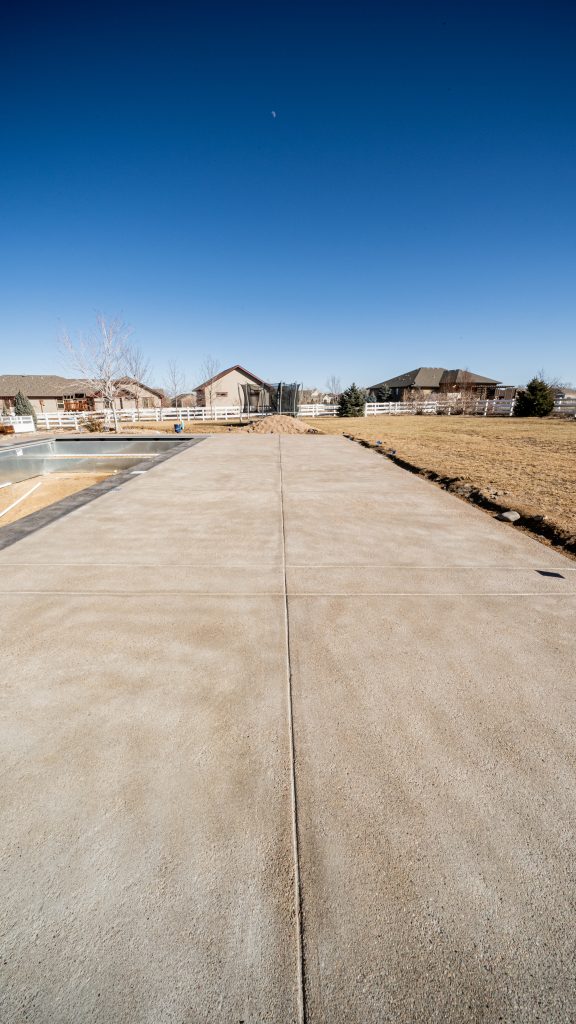
Control joints and their spacing Control joints are not decorative. They direct where shrinkage cracks will occur. For a typical 4-inch-thick sidewalk panel, cut control joints every 4 to 5 feet. If you increase slab thickness, you can increase joint spacing slightly, but keep them close enough so cracks happen at the joints instead of randomly across the slab.
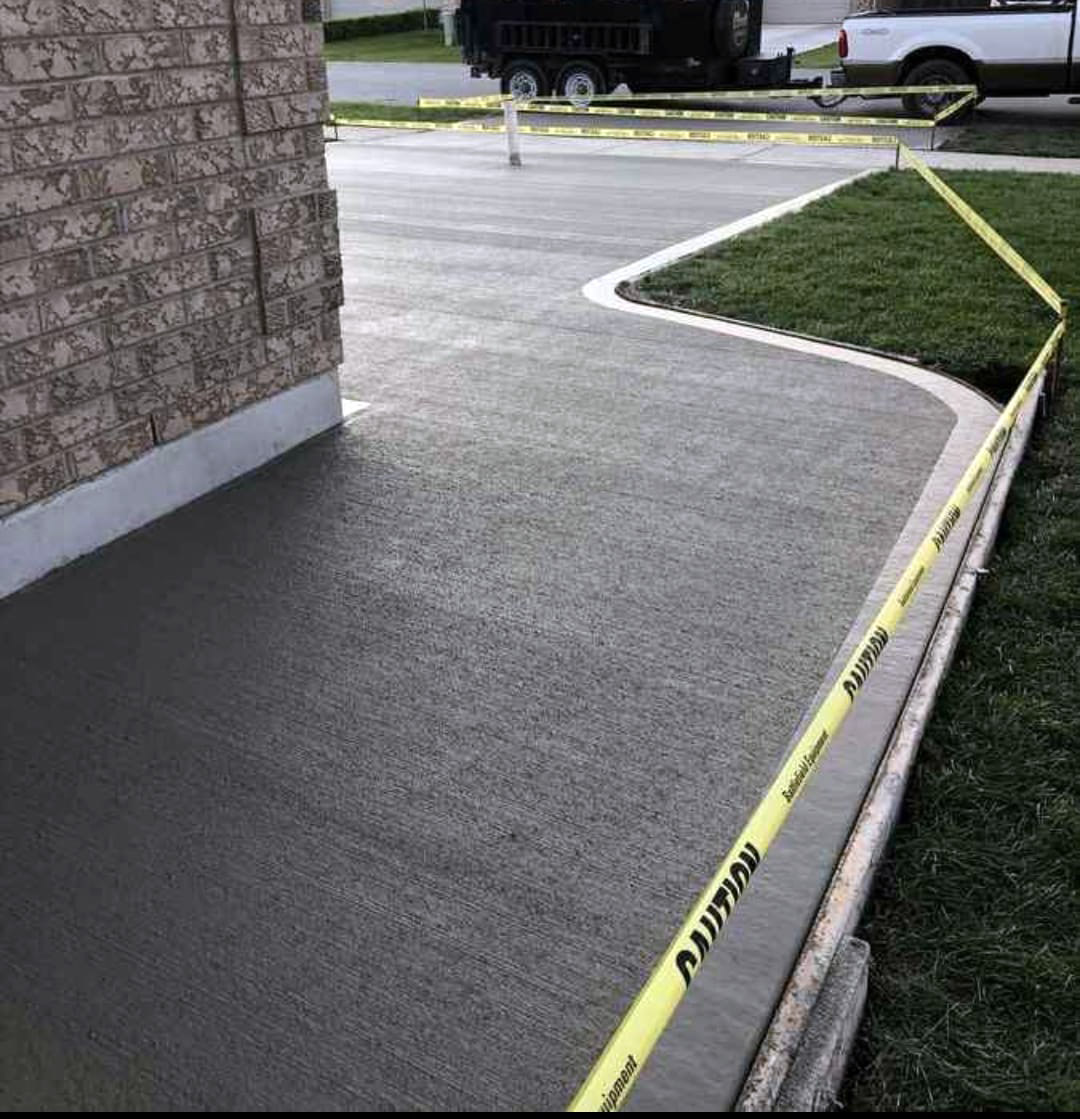
Timing matters. For sawn joints use a concrete saw once the slab is hard enough to support the saw without raveling but early enough that microcracks haven’t formed in unwanted places. For hand-finishing, too-early grooving can weaken edges; too-late sawing allows uncontrolled cracks to develop. In Tampa’s heat, that window can be narrower than in cooler climates, which is why many crews either shade the slab or schedule pours early in the morning.
Reinforcement: when and what to use For short, isolated pedestrian sidewalks in stable soils, welded wire mesh provides modest crack control. For longer runs, areas that may see occasional vehicular traffic, or locations over less-stable fills, consider rebar or fiber-reinforced mixes. Fiber-reinforced concrete can reduce plastic shrinkage cracking during the first few hours after placement — that’s when Tampa’s hot sun and wind can be most damaging.
If you’re near the coast, consider epoxy-coated rebar or stainless steel in critical locations. Salt air speeds corrosion if reinforcing steel is close to the surface or if the concrete has hairline cracks that let chlorides in. Designing for a slightly thicker cover over steel in coastal zones costs little up front and saves a lot later.
Finish, texture, and surface drainage A sidewalk’s finish affects wear, skid resistance, and how well it sheds water. A light broom finish provides predictable traction for pedestrians. Don’t overwork the surface; excess troweling can close the surface and make it slick when wet. Maintain a consistent cross-slope for drainage, typically about 1/8 to 1/4 inch per foot away from buildings or other sensitive areas. Puddles accelerate freeze-thaw damage in colder climates, though Tampa does not typically freeze. In our climate, standing water encourages algae and staining and can hide tripping hazards.
Curing: the single most neglected step that matters most Curing is where many contractors trim costs with long-term consequences. Proper curing allows the concrete to gain strength and reduces shrinkage cracking. In Tampa heat, cure for at least five to seven days with either continuous moisture (wet burlap, ponding where appropriate) or an approved curing compound. If the slab is poured in the early morning, consider covering with plastic or curing blankets later in the day to prevent rapid surface evaporation during that midday heat spike.
A common real-world approach that works well: mist the surface in the first few hours as the bleed water evaporates, then apply a curing compound within three to four hours of finishing if the crew cannot maintain continuous wet curing. Curing compounds are effective, but they must be applied evenly and at the recommended coverage rate. Under-application undermines performance.
Joining sidewalks to driveways, ramps, and other slabs Transition points are failure points. Where a sidewalk meets a driveway or a building, use expansion joints that allow for differential movement. For ADA-compliant ramps, check slope requirements; maximum running slope is typically 1:12 for ramps that require handrails, but local regulations and projects that involve city right-of-way may impose specific requirements. On many jobs I’ve seen, a lack of expansion material or a https://allphaseconcretefl.com/ crushed joint at a driveway connection becomes a source of uplift and cracking within a single rainy season.
Tree roots and landscaping conflicts Tree root damage is one of the most frequent reasons sidewalks become uneven. Cutting roots without mitigation is a temporary fix. If a mature live oak or ficus is close to the sidewalk, options include installing a root barrier, rerouting the sidewalk, or using flexible joint systems and thicker slabs that tolerate some root pressure. Sometimes the right choice is replacing small sections with pavers that can be lifted and adjusted. A common, durable solution is to give trees the space they need by planning wider planting strips or integrating the sidewalk offset from critical roots.
Sealers and stain prevention Sealing sidewalks is not always necessary, but it can protect against oils, algae, and salt-related spalling in coastal areas. For residential sidewalks that see occasional oil drips from landscaping equipment and steady foot traffic, a penetrating silane-siloxane sealer every two to three years often provides good protection. Clear film-forming sealers give more shine but can peel and require reapplication sooner. Test a small area first; some sealers darken the concrete temporarily.
Maintenance: an inexpensive prevention program A modest preventative maintenance program keeps a sidewalk performing far longer than doing nothing and then performing a full replacement later. Here is a short checklist that most property owners can adopt with minimal fuss.
- keep drains and gutters clear so water does not pond on or near the slab
- clear soil and mulch build-up away from slab edges to prevent wicking and softening of the subgrade
- inspect for settlement, trip hazards, and spalling every six months and after major storms
- clean algae or organic staining with a stiff brush and a mild detergent; avoid sanding or shot-blasting unless repairs are planned
- reseal areas showing early wear or staining every 2 to 3 years depending on exposure
Repair options and when to choose each Not all damage warrants full replacement. Here are common repair choices, how they perform, and when I usually recommend them.
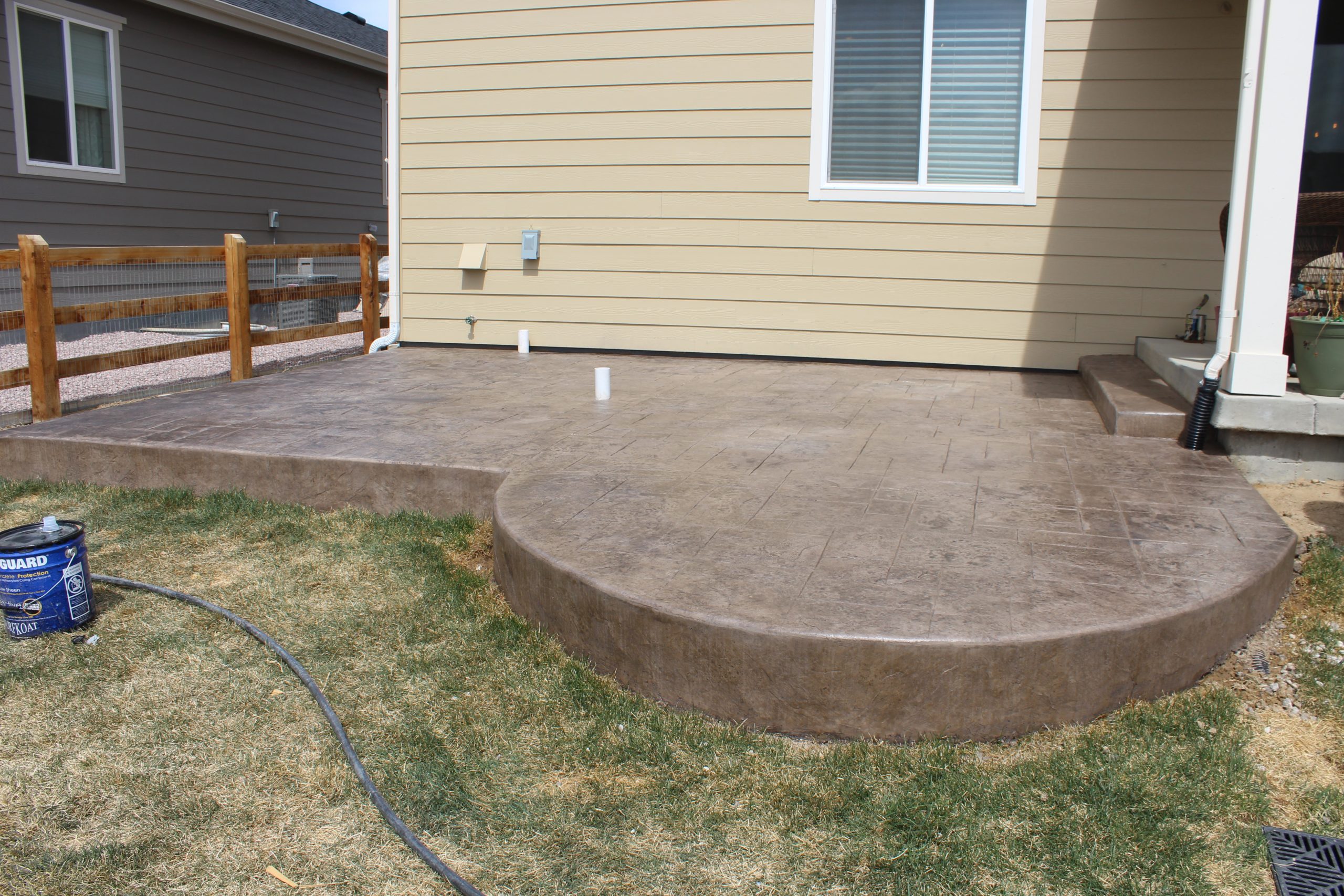
Patching and shallow repairs work for localized spalling or small chips. Use a polymer-modified patch product and ensure edges are squared up and keyed to sound concrete. These repairs work best when less than about 1/2 inch deep and not in locations that will be under load.
Mudjacking or slabjacking can be effective if a slab has settled over a soft spot in the base. It restores grade by pumping a grout slurry under the slab. This option is cost-effective for sections with intact concrete and where underlying pipes or utilities won’t be disturbed by the injection. Expect a lifespan of several years; if the underlying soil is actively eroding, it may be temporary.
Partial replacement of panels is often the best trade-off between cost and longevity. Remove the failed panel, check and repair the base, and pour a new panel with proper joints and reinforcement. This method addresses the root cause rather than masking symptoms.
Full replacement merits consideration when multiple adjacent panels are compromised, when the subgrade is entirely inadequate, or when the sidewalk lacks proper joints and drainage from the outset. Think of full replacement as an investment in predictable performance for decades.
Common mistakes I see and how to avoid them Contractors and homeowners often try to shave costs with shortcuts that backfire quickly. A few recurring mistakes:
Using too little base material or failing to compact it. The slab above will settle and crack soon after a heavy rain or minor traffic.
Skipping curing to save a few hours. The slab will be weaker and more prone to cracking.
Incorrect joint spacing or omission of expansion joints. Cracks will appear haphazardly.
Allowing contractors to pour in the middle of the day without shading or planning for quick finishing. Rapid evaporation leaves a weak surface layer and more shrinkage cracks.
Selecting thin slabs for areas that see occasional vehicle traffic. That leads to edge breakouts and early replacement.
Choosing All Phase Concrete: what professional installation looks like If you hire All Phase concrete or another experienced local contractor, expect certain practices that protect your investment. A professional crew will check the soil and recommend base thickness, establish and compact a granular base, set control and expansion joints correctly, use appropriate reinforcement for the site, and follow a curing plan suited to Tampa’s heat and humidity. They will also document the work with photos and provide care recommendations tailored to your property.
I’ve worked with crews that pour several small residential slabs in one morning and then return the next day to check joints and apply a curing compound within the right window. That coordination matters. A quote that seems low because it skips base prep or curing almost always costs more within three to five years.
Cost considerations and budget planning Material costs fluctuate, but you can plan. For a typical 4-inch residential sidewalk, expect labor and materials to run in a range that depends on site access, demolition needs, and subgrade conditions. If the job requires tree root mitigation, drainage correction, or coastal-grade reinforcement, budget for those items separately. When comparing bids, ask for a line item on base preparation, joint layout, reinforcement, and curing method. That transparency prevents surprises and helps you compare apples to apples.
Final judgment calls: when to prioritize longevity Not every sidewalk raises the same priorities. For a rental property where you want the cheapest short-term fix, a patch may be acceptable. For a home you plan to own for ten years or more, invest in a proper base, correct jointing, good curing, and appropriate reinforcement. In coastal or high-traffic areas, small investments in increased cover over steel, epoxy-coated rebar, or a thicker slab repay themselves quickly in terms of fewer repairs.
Real example from a job On one Tampa project, a homeowner had consecutive sidewalk panels heaved by live oak roots. The initial contractor had shaved base material to save time, and panels were only 3.5 inches thick. We removed three affected panels, extended the base to 6 inches of compacted crushed stone, installed a 5-inch slab thickness with wire reinforcement, and fitted a root barrier 18 inches deep between the tree and the slab. We also added a slight offset so roots had room to grow without direct pressure. Two years later the sidewalk is level, the roots are healthy, and the homeowner avoided the repeat repairs that neighbors were still dealing with after cheaper fixes.
Choosing materials and contractors with an eye to the future Concrete is a very forgiving material when installed correctly. The best way to ensure a long-lasting sidewalk is to think beyond the pour: specify the right thickness, build a compacted base, use appropriate joints and reinforcement, and execute a curing plan that suits Tampa’s climate. Whether you contact All Phase Concrete or another licensed contractor offering Concrete Services in Tampa FL, ask for site-specific explanations, not generic promises. Local knowledge makes a measurable difference.
If you want a quick checklist before getting a quote, ask potential contractors to tell you how they will handle base compaction, joint spacing, curing, reinforcement, and drainage. Clear answers and photos of past local jobs are a better sign than the lowest estimate. For many property owners, spending slightly more up front saves thousands over the sidewalk’s life.
Make decisions that match the next decade, not just the next month. Good materials, proper preparation, and a cautious eye during the first days of curing are the investments that keep sidewalks safe, attractive, and low-maintenance for years. All Phase concrete contractors and other experienced crews in the area understand these trade-offs and can help you pick the right approach for your property.